

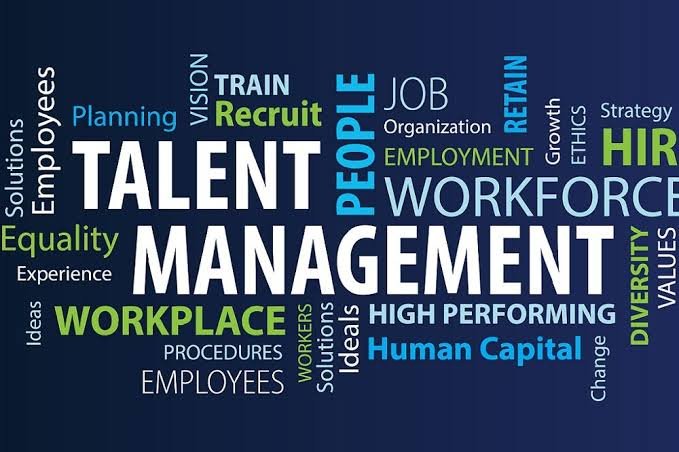
Source: https://medium.com
Introduction
Talent management is a critical aspect of any business, regardless of its size. While large enterprises often have the resources and infrastructure to implement comprehensive talent management strategies, small and medium-sized enterprises (SMEs) can also benefit greatly from effective talent management practices. In this blog post, we will explore the importance of talent management in both large corporations and SMEs, and how technology, such as automated applicant tracking systems (ATS), can be a game-changer for businesses of all sizes.
The Significance of Talent Management
Talent management encompasses the processes of attracting, recruiting, developing, and retaining top talent within an organization. It plays a pivotal role in achieving long-term success and sustainability for any business. Here are some key reasons why talent management is crucial:
- Competitive Advantage: Businesses with a talented and skilled workforce gain a competitive edge in the market. They can innovate, adapt, and deliver superior products and services.
- Cost Efficiency: Effective talent management can help reduce turnover rates, recruitment costs, and training expenses, thereby improving overall cost-efficiency.
- Employee Engagement: Engaged employees are more productive, committed, and likely to stay with the company. Talent management fosters employee engagement by aligning individual goals with organizational objectives.
Talent Management in Large Corporations
Large corporations often have established talent management processes in place. These may include:
- Automated Applicant Tracking Systems (ATS): Large enterprises commonly use ATS to streamline recruitment processes. These systems help in sorting through resumes, scheduling interviews, and managing candidate data efficiently.
- Comprehensive Training and Development Programs: These corporations invest in ongoing employee development, offering various training opportunities to enhance skills and knowledge.
- Succession Planning: Large companies often have detailed succession plans in place, ensuring a smooth transition of leadership roles.
Talent Management for SMEs
While SMEs may not have the same resources as large corporations, they can still excel in talent management by adopting similar practices, often with the help of technology:
- ATS for SMEs: Automated applicant tracking systems are not exclusive to large businesses. SMEs can implement cost-effective ATS solutions to streamline their recruitment processes, making it easier to identify and hire top talent.
- Flexible Training Initiatives: SMEs can focus on targeted training and development programs that align with their specific needs and budgets.
- Emphasis on Company Culture: SMEs can create a strong company culture that attracts and retains talent. This includes fostering a collaborative and supportive work environment.
- External Partnerships: SMEs can leverage partnerships with educational institutions or professional organizations to access a pool of skilled talent.
Conclusion
In conclusion, talent management is a critical component of business success, whether you’re a large corporation or an SME. While large enterprises have advanced resources, SMEs can also benefit by implementing scalable talent management strategies, including the adoption of automated applicant tracking systems. By investing in talent management, businesses of all sizes can enhance their competitive advantage, reduce costs, and foster a thriving workforce that contributes to long-term success.
 Dr. Kiran Kakade (Ph.D.,LL.M.,MCA,MBA(HR))