
Source: https://m.economictimes.com/news
Introduction
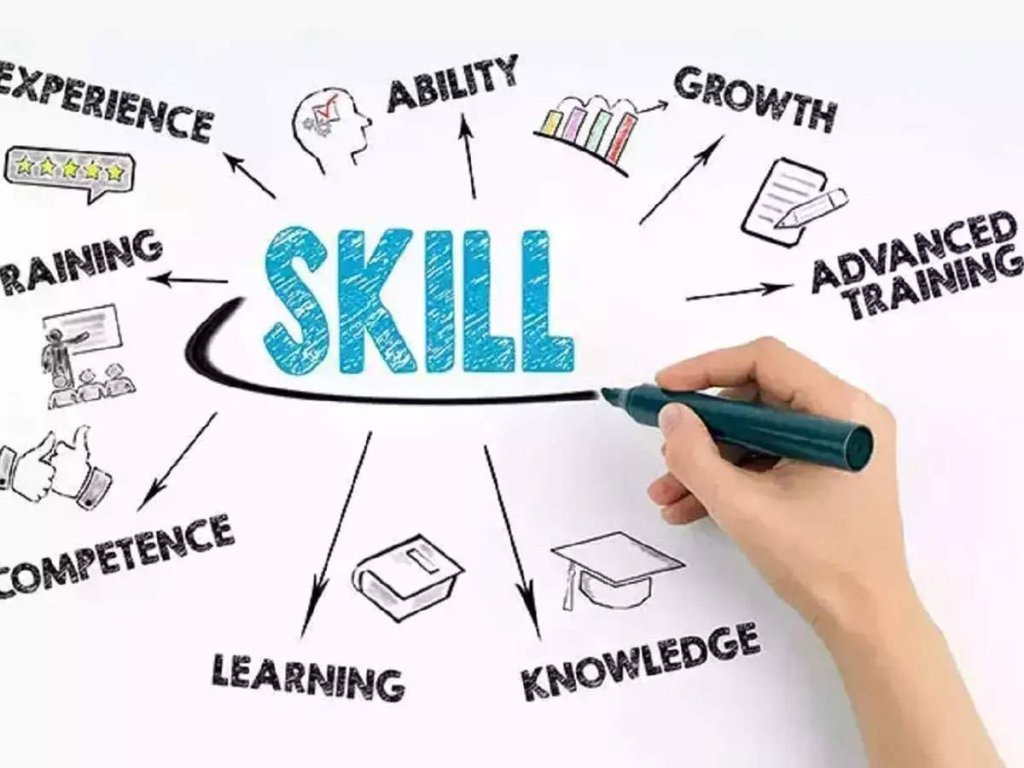
As we endeavour to emerge out of the global pandemic, one significant change has deeply influenced the current and future job prospects of all professionals. The dynamic landscape of work has shifted dramatically, necessitating a profound transformation in the skills and competencies that individuals and organizations need to thrive. Reskilling and upskilling have become non-negotiable imperatives for personal and professional growth, and they are poised to play a pivotal role in retention strategies. To redefine the business growth story, the acquisition of new skills will be a must, as they will decide who stays relevant in the new world of work.
The Reskilling Imperative
The global pandemic has accelerated digital transformation and automation, altering the employment landscape significantly. Traditional job roles are evolving, and some are even becoming obsolete. To stay competitive, professionals must adapt by acquiring new skills or enhancing existing ones. This has led to the rise of the reskilling revolution.
- The Top Skills for the Future The skills that will be most valuable in the post-pandemic job market encompass a broad spectrum. These include:
- Digital Literacy: Proficiency in using digital tools, data analytics, and understanding emerging technologies like AI and blockchain.
- Adaptability: The ability to quickly learn and pivot in response to changing circumstances and job requirements.
- Emotional Intelligence: Effective interpersonal and emotional skills that enable individuals to work collaboratively and empathetically.
- Critical Thinking and Problem Solving: Analytical thinking and the capacity to solve complex problems.
- Creativity and Innovation: The capability to think creatively and generate novel ideas and solutions.
- Organizational Response Forward-thinking organizations recognize the importance of reskilling their workforce to remain competitive. They are implementing strategies such as:
- Investing in Learning and Development: Allocating resources and budgets to foster continuous learning within the organization.
- Offering Online Learning Platforms: Providing employees with easy access to digital courses and resources.
- Promoting a Learning Culture: Creating an environment where learning is encouraged and rewarded.
- Tailoring Training Programs: Designing customized training programs to address specific skill gaps within the workforce.
- The Role of Learning and Development Professionals L&D professionals play a vital role in shaping an organization’s reskilling efforts. They are:
- Identifying Skill Gaps: Conducting skill assessments and pinpointing areas that require improvement.
- Curating Learning Content: Developing or sourcing relevant courses and resources for employees.
- Measuring Impact: Assessing the effectiveness of training programs through metrics and feedback.
- Continuous Improvement: Adapting strategies based on evolving skill demands and employee feedback.
Conclusion
As we navigate the uncertain terrain of the post-pandemic job market, the importance of reskilling and upskilling cannot be overstated. The skills that once made professionals valuable may no longer be sufficient. To stay relevant and competitive, both individuals and organizations must embrace the reskilling revolution. The top skills of the future are diverse, ranging from digital literacy to emotional intelligence, and organizations, along with L&D professionals, play pivotal roles in ensuring that this transformation is a success. Embracing these changes will not only secure one’s career but also contribute to the growth and sustainability of businesses in the new world of work.
 Dr. Kiran Kakade (Ph.D.,LL.M.,MCA,MBA(HR))