
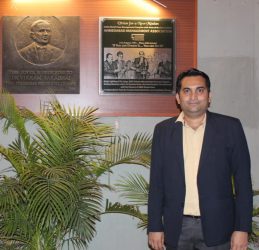

Source: https://poetsandquants.com
Introduction:
Embarking on a career in academics can be an enticing option for many, whether it’s a lifelong passion or a shift from the corporate world. Yet, the path to success in academia is not always straightforward, and it demands dedication, perseverance, and continuous learning. Drawing from my 13 years of experience in academics and 7 years in the corporate world, I’ve witnessed the unique challenges and rewards that come with an academic career. In this blog, I’ll share insights and advice for those considering or already pursuing a career in academics.
The Academic Landscape:
Unlike the corporate world, where resources are readily available, academia often presents a more controlled environment with fewer financial rewards. Academic professionals typically receive lower pay compared to their corporate counterparts. Additionally, career progression in academia is often subject to institutional bureaucracy, which can sometimes hinder one’s professional growth.
The Academic Qualification:
A key foundation for an academic career is obtaining a relevant academic qualification, such as a SET/NET or a PhD. While it is possible to enter academia without these credentials, it can limit your opportunities and potential for advancement. Without the proper qualifications, you may find yourself caught in administrative red tape that could impact your career progression.
Continuous Learning:
In academia, being a continuous learner is not just a choice but a necessity. In today’s information age, students have access to vast amounts of knowledge at their fingertips. As an academic, it’s essential to stay ahead of the curve. Dedicate at least two hours daily to learning, whether it’s preparing for lectures or expanding your expertise. Keeping up with the latest developments in your field is critical, as students can easily fact-check information in real-time.
Adapting to a Changing Landscape:
Traditional teaching methods have evolved. Gone are the days when students passively absorbed information; now, they actively engage with their learning. To succeed in academia, you must adapt to this shift. Encourage critical thinking, facilitate discussions, and create an interactive learning environment. Embrace technology and innovative teaching methods to keep students engaged and motivated.
Balancing Research and Teaching:
In academia, striking a balance between research and teaching is crucial. Research helps you contribute to your field, gain recognition, and remain relevant. However, teaching is equally important, as it allows you to share knowledge and shape future generations. Finding this equilibrium can be challenging, but it’s essential for a fulfilling academic career.
Creating Value through Consulting:
In addition to teaching and research, consider offering consulting services to create value beyond the classroom. Your expertise can benefit industries, organizations, and individuals. Consulting not only enhances your reputation but also provides additional income streams.
Conclusion:
An academic career is not for the faint of heart. It requires dedication, perseverance, and continuous learning. While the challenges are real, the rewards—such as contributing to knowledge, shaping young minds, and leaving a lasting impact—are equally profound. So, if you’re considering or pursuing a career in academics, remember that your journey will be filled with trials and triumphs, ultimately leading to personal and professional growth. Embrace the opportunities, stay committed to learning, and make your mark in the academic world.

 Dr. Kiran Kakade (Ph.D.,LL.M.,MCA,MBA(HR))