

Introduction:
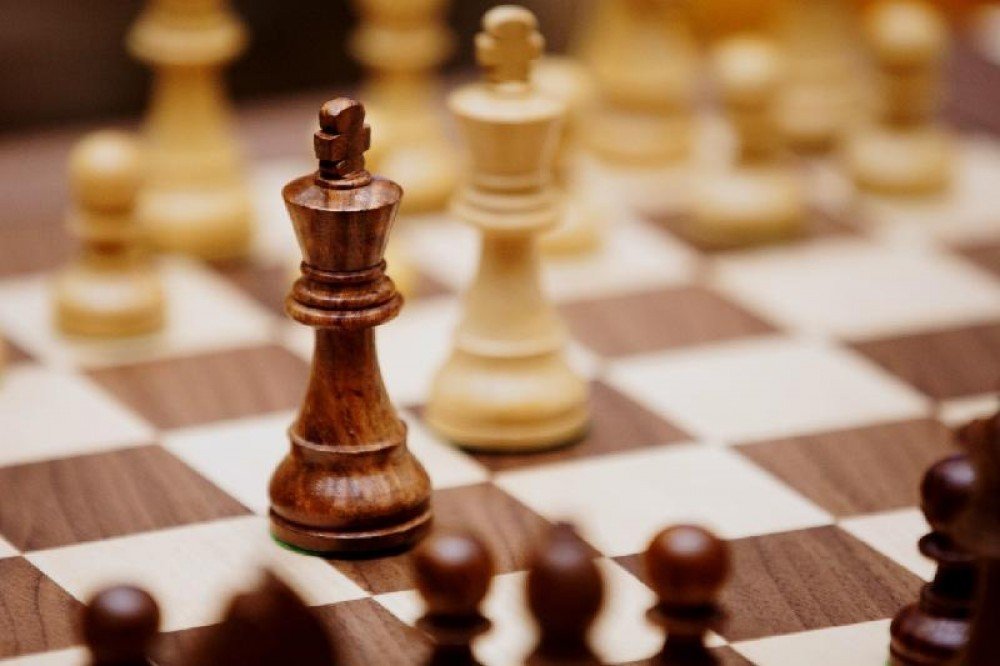
World politics is a complex interplay of interests, strategies, and alliances. A fresh perspective emerges when we connect the dots between seemingly disparate events. The ongoing conflict between Israel and Hamas may seem far removed from the Russia-Ukraine crisis that erupted two years earlier. Still, they are interconnected pieces on the global chessboard of geopolitics.
The Russian-Ukrainian Conflict and Western Involvement:
In 2014, the Russian-Ukrainian conflict became a focal point for Western countries, who rallied behind Ukraine in the face of Russian aggression. This was a strategic move to counterbalance Russia’s influence in Eastern Europe. The West’s involvement was a clear demonstration of their commitment to protecting Ukraine’s sovereignty.
Hamas and Israel: A Proxy War:
Fast forward to the Israel-Hamas conflict. At first glance, it appears to be a familiar, cyclic struggle between Israel and a Palestinian militant organization. However, when we dive deeper into the geopolitical strategies at play, we see a broader picture.
Hamas, a relatively small militant group, launched an unprecedented attack on Israel with over 5,000 rockets. Their objective was not merely to provoke a harsh Israeli response but to draw the attention of Arab countries into the conflict. This move indirectly shifted focus from the Russia-Ukraine crisis to the Middle East.
Russia’s Interest in the Middle East:
One might wonder about Russia’s interest in this regional conflict. The key lies in its ties to Arab countries. Russia has been expanding its influence in the Middle East, and its support for Palestine against Israel is one way to solidify these connections.
Beyond Russia, other global players are carefully navigating these turbulent waters. North Korea and China have interests in the region, although they maintain a cautious stance, not directly involving themselves in the conflict.
China’s Complex Role:
China’s role is particularly intriguing. In the late 1960s and 70s, the People’s Liberation Army of China supported Palestine. However, as Israel gained importance with U.S. backing, China also supported Israel’s existence. The United Nations played a pivotal role in the Israel-Palestine issue, leading to land distribution between the two nations.
Superpower Chess: Russia and the U.S.:
These two seemingly isolated conflicts, Russia-Ukraine and Israel-Hamas, highlight the indirect involvement of Russia and the United States. These superpowers are effectively engaged in a global chess match, leveraging the resources and alliances of other countries to further their interests.
India’s Strategic Diplomacy:
India has made a unique and strategic move by supporting Israel against terrorism while also backing Palestine’s claim to their land. This stance illustrates India’s intent to maintain a balanced position in the global power struggle. India is keen to nurture its relationships with Arab countries and European nations, creating a bridge between seemingly conflicting interests.
Conclusion:
The Russia-Ukraine conflict and the Israel-Hamas war represent two fronts in a broader global power struggle. Russia and the U.S. are the principal actors, orchestrating moves on this complex geopolitical chessboard. As nations like India seek to balance their diplomatic relationships, and others like China keep their cards close to their chest, the world of world politics becomes increasingly intricate and interconnected. These connections underscore the importance of examining the global political landscape from a fresh perspective, revealing hidden dimensions of power and strategy.
 Dr. Kiran Kakade (Ph.D.,LL.M.,MCA,MBA(HR))