

Introduction
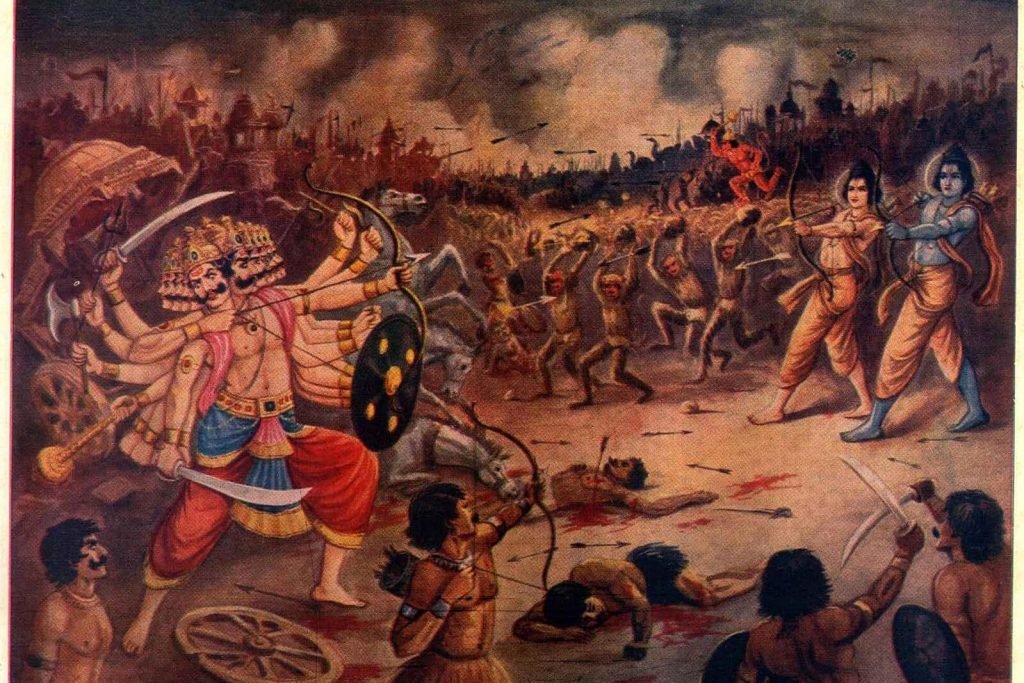
Dussehra, the festival that commemorates the victory of Lord Rama over the demon king Ravana, offers profound lessons in management and self-improvement. Beyond its mythological significance, the ten heads of Ravana symbolize ten qualities or vices associated with an unchecked desire for power and control. Let’s delve into these qualities and explore the management lessons they impart.
- Kama (Lust): Ravana’s insatiable desire for power and possessions led to his downfall. In management, excessive greed or lust for power can blind decision-makers and lead to unethical actions. The lesson here is to maintain ethical and balanced ambition.
- Krodha (Anger): When desires are not met, anger often follows. In the corporate world, uncontrolled anger can harm relationships, teamwork, and decision-making. Effective leaders must manage their emotions and practice restraint.
- Moha (Delusion): Overwhelming desires can lead to delusion. In management, making decisions based on emotions rather than facts and logic can result in costly mistakes. A clear and rational approach is essential.
- Lobha (Greed): Excessive greed can lead to unethical practices, risking the reputation and sustainability of a business. Successful management requires a focus on sustainable growth rather than quick gains.
- Mada (Pride): Ravana’s pride in his own abilities blinded him to his limitations. In management, arrogance can lead to poor decision-making and a lack of adaptability. Humility is key to sustainable leadership.
- Maatsarya (Envy): Envy can breed negativity in the workplace. Effective leaders promote a culture of collaboration, recognizing the success of others as an opportunity for growth, not a threat.
- Buddhi (Intellect): While intellect is crucial, it must be directed towards ethical and sustainable solutions. In management, intellect should be used to solve problems and drive innovation rather than manipulate others.
- Manas (Mind): A scattered mind can lead to a lack of focus. Effective management requires clarity of purpose and the ability to prioritize tasks and goals.
- Chitta (Will): In management, a strong will is necessary for achieving objectives. However, it should be tempered by ethical principles and a focus on long-term sustainability.
- Ahamkara (Ego): Ego can hinder collaboration and growth. Effective leaders cultivate self-awareness and focus on the collective success of their teams and organizations.
In Conclusion
Dussehra teaches us that unchecked desires for power and control can lead to the downfall of even the mightiest. These ten qualities associated with Ravana’s heads serve as reminders to individuals in management and leadership positions. The key to success lies in recognizing and controlling these vices, maintaining ethical values, and fostering an environment of collaboration and growth. By heeding these lessons, modern managers can not only achieve professional success but also lead with integrity and empathy.

 Dr. Kiran Kakade (Ph.D.,LL.M.,MCA,MBA(HR))