

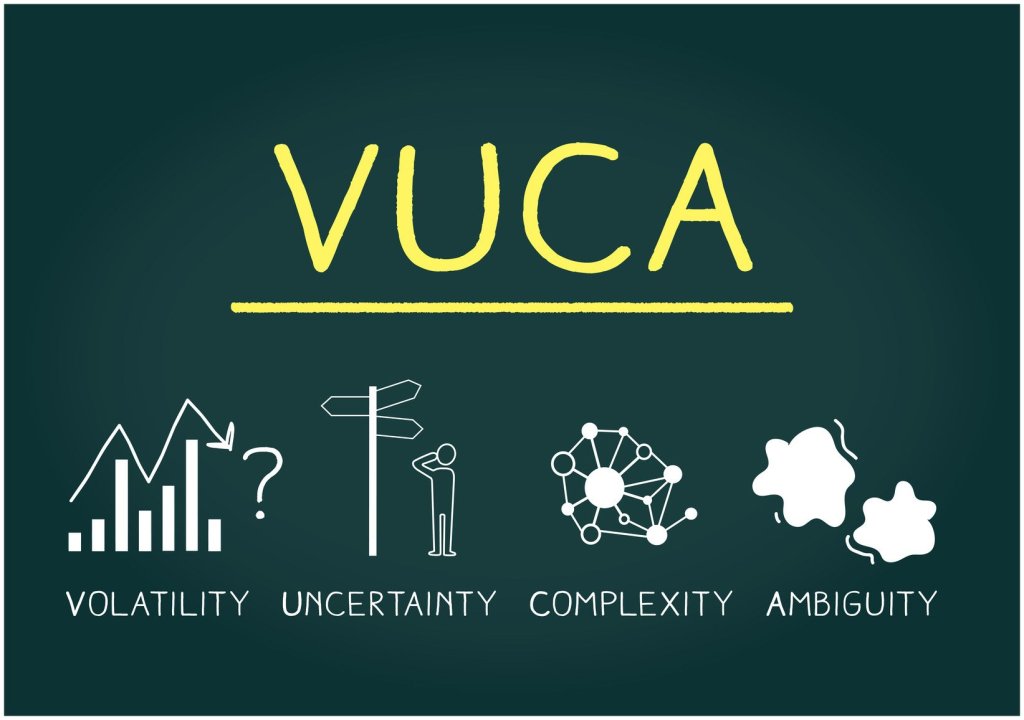
As the year draws to a close, the corridors of corporate boardrooms are abuzz with discussions that echo the need for foresight and adaptability. The landscape of businesses today is characterized by volatility, uncertainty, complexity, and ambiguity (VUCA), requiring leaders to steer their organizations with strategic prowess. Crafting a strategic plan for the coming year has never been more critical, especially in the face of technological shifts and macroeconomic uncertainties.
1. Embracing the Transformative Impact of Generative AI
In a world where artificial intelligence is no longer confined to predictions but extends to actively shaping strategies, businesses are navigating the transformative impact of generative AI. Tech-first models take the spotlight, and strategic alliances with digital natives act as catalysts for innovation and resilience. The strategic landscape is evolving, and leaders must harness the potential of AI to predict, change, and implement strategies for both short and long terms.
2. Sustainability as a Strategic Imperative
Beyond being a mere buzzword, sustainability has become a strategic imperative. The planning horizon now extends far beyond immediate tasks, encompassing a comprehensive strategy aligned with Sustainable Development Goals (SDGs) and embracing Business Responsibility and Sustainability Reporting (BRSR). Organizations are committing to reshaping operations for net-zero goals, adopting sustainable supply chains, and integrating environmentally conscious practices into their core DNA.
3. Evolution of Talent Management Paradigm
The modern workforce demands a recalibration of the talent management paradigm. Prioritizing upskilling initiatives and championing a work-life balance are integral components, especially in the era of hybrid working. Strategic planning sessions now focus on innovative practices for talent retention, onboarding, and upskilling, recognizing that human capital development is not just a facet but integral to success.
4. Rapid Digitalization: Setting New Priorities
Strategic planning in the contemporary business environment involves setting new priorities aligned with rapid digitalization. The coming year will task business leaders with navigating the uncertain economic landscape through insight, innovation, and impactful strategies. Investment in emerging technologies becomes a linchpin for spearheading organizational goals, enhancing processes, capabilities, and delivery.
5. Holistic Approach to Strategic Planning
Strategic planning isn’t a rigid framework but an evolving plan, aligned with market dynamics. Cultivating a culture of perpetual learning and development becomes paramount, ensuring the workforce remains adaptable to future demands. The success of strategic planning is intricately tied to the resilience and skill diversity of the workforce, coupled with effective succession planning for organizational readiness.
6. Shrinking Time for Strategic Planning: Looking Beyond 5 Years
After navigating challenging years, C-suite leaders are expected to intensify their focus on long-term goals. Mitigating unforeseen risks and enhancing workflow will require an approach that involves looking beyond the traditional five-year planning cycle. The entire organization becomes a strategic asset, fueling growth and innovation.
In conclusion, today’s strategic vision is a tale of adaptability and foresight. Riding the waves of generative AI, embracing sustainability imperatives, and nurturing talent resilience, businesses are not merely shifting gears; they are evolving paradigms. Success is no longer a singular pursuit; it is an intricate combination of innovation, sustainability, and the untapped potential within the human workforce. As we step into the coming year, the strategic navigator’s compass is set to navigate the complexities of the ever-evolving business terrain.
 Dr. Kiran Kakade (Ph.D.,LL.M.,MCA,MBA(HR))