

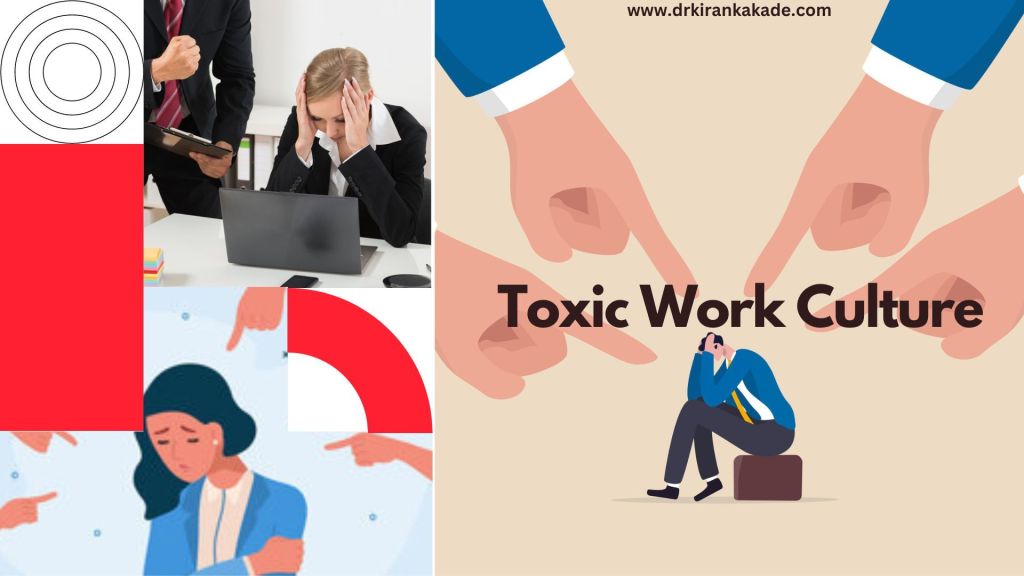
The rise of toxic work culture, especially in India, is deeply rooted in how organizations perceive and manage their workforce. In my opinion, the foundation of this issue stems from the vast talent pool and the mindset surrounding employment opportunities, where workers are seen as expendable. Here are some key factors contributing to the issue:
1. Abundant Talent Pool: Exploitation of Workforce
India has a vast and highly competitive job market. The large supply of talent willing to work under stressful and exploitative conditions has led to a normalization of toxic behavior in workplaces. Many companies treat employees as a free commodity, rather than valuable assets. They believe that since there is always a fresh pipeline of talent ready to replace dissatisfied employees, there is no need to address or improve working conditions. This creates a cycle where employees are expected to endure long hours, immense pressure, and poor treatment to “prove” their worth or maintain their jobs.
2. Training as Debt: Workload Justified by ROI
Larger organizations often justify toxic work environments by viewing the training and development of their employees as an investment. These companies demand that employees “repay” the time and resources spent on their development through excessive work. This ROI (Return on Investment) mindset encourages exploitative practices, where employees are expected to sacrifice personal well-being to meet company goals. While training is important, it should not become a debt that burdens employees with unreasonable expectations.
3. Small Businesses: Survival Mode and Client Pressure
Smaller organizations and startups face their own challenges, such as staying afloat in competitive markets. Often, they hide behind statements like “client pressures” to justify overworking their employees. Under the guise of “hustle culture,” these businesses overburden their staff to meet client demands, sacrificing employee well-being. This desperation to survive breeds a culture where long hours and constant pressure are normalized and expected.
4. Mismanagement and Lack of Humility
There is a severe lack of people management skills in many organizations, particularly among mid-level managers. These managers, often focused on meeting targets and deadlines, forget the importance of empathy and humility. Employees are treated as cogs in the machine, with little regard for their mental and physical well-being. The lack of managerial training and support is contributing to the burnout and dissatisfaction that many professionals face. As mentioned, “few managers really need to google the word ‘humility’ and incorporate it into their lives.”
5. Vendorization of Relationships: Agencies and Advisors
In industries where agencies and advisors are involved, they are often treated as vendors rather than valued business partners. This mindset filters down to those working within such relationships, resulting in a significant loss of agency. Employees become mere tools to achieve client goals, leading to further exploitation. This vendor relationship encourages a toxic work culture where the focus is solely on delivering results rather than fostering a healthy and collaborative environment.
6. Overwork is Not Inspirational
There is nothing admirable or motivational about overworking employees to the point of burnout. Toxic managers often push their teams to work beyond reasonable limits, believing that high pressure will lead to better outcomes. In reality, this approach only demoralizes the workforce. Employees subjected to such environments see quitting as not just a career move, but an act of liberation.
7. Emotional Disconnect: Employees as Numbers
In organizations where profit, loss, and compromise are the sole focus, employees are reduced to mere numbers. This emotional disconnect is most evident in tragic events, such as when a company fails to acknowledge the death of an employee or offer support to their family. The cold, transactional nature of such workplaces leaves employees feeling disposable and unvalued, even after years of dedication.
8. Frustration-Driven Toxicity
As companies run out of innovative ideas and ways to differentiate themselves in the marketplace, many resort to toxic cultures out of frustration. Instead of inspiring their teams with new challenges or exciting projects, management often shifts focus towards micromanaging, increasing pressure, and demanding unrealistic results. This mismanagement fuels a negative environment where employees feel trapped and unmotivated.
Conclusion: Choosing Self-Worth Over Toxicity
The bottom line is that no job is worth sacrificing your health and well-being for. Toxic work cultures are pervasive in many Indian organizations, driven by a combination of a large talent pool, poor management, client pressures, and a lack of innovation. Employees must recognize their value beyond the workplace and understand that they are not replaceable commodities. Prioritizing one’s physical and mental health, and leaving toxic environments behind, is not just a necessity but an act of self-liberation. It is far better to live without a job than to endure a stressful life under toxic employers who view you as expendable.
 Dr. Kiran Kakade (Ph.D.,LL.M.,MCA,MBA(HR))