Title: Ethical Leadership in Public Administration by Dr.Kiran Kakade

Source: https://www.drjimcollins.com

Introduction

In the realm of public administration, ethics and integrity are the cornerstones of effective and accountable governance. Recent incidents in government hospitals, offices, universities, and banks have cast a spotlight on mismanagement and corruption among high-ranking government and administrative officials. This article delves into the critical importance of ethical leadership in public administration and the far-reaching consequences of neglecting ethical principles and integrity.

The Crisis of Ethical Lapses

It is disheartening to witness that, after successfully clearing competitive exams and ascending to influential positions, some bureaucrats appear to forget the significance of continuous ethical learning. Instead, a troubling number engage in mismanagement and corruption, occasionally in collaboration with politicians. This crisis of ethical lapses calls into question the very foundations of public administration.

Why Ethical Leadership Matters

  1. Trust and Accountability: Ethical leadership serves as the bedrock of trust between citizens and public institutions. Leaders who demonstrate unwavering integrity instill confidence in the populace that their interests will be safeguarded, and public resources will be utilized judiciously.
  2. Efficiency and Effectiveness: Ethical leaders prioritize the efficient and effective delivery of public services. By upholding ethical standards, they ensure that resources are utilized optimally, resulting in improved outcomes for the community.
  3. Transparency: Ethical leaders champion transparency in decision-making processes. Transparency fosters public understanding and engagement by providing insight into policies and actions.
  4. Long-term Sustainability: Sustainable development hinges on ethical decision-making. Leaders who consider the long-term consequences of their actions are more likely to implement policies that benefit future generations and protect the environment.
  5. Public Perception: The reputation of a government is significantly influenced by the behavior of its leaders. Ethical leadership can enhance a nation’s image, attracting investment and fostering partnerships that benefit society as a whole.
  6. Legal Compliance: Ethical leaders not only uphold the law but also ensure that public administration remains within the bounds of legality. This reduces the risk of legal repercussions and maintains the credibility of the government.

Addressing the Crisis

To tackle the crisis of ethical lapses in public administration, a multifaceted approach is essential:

  1. Ethical Training: Continuous ethical training programs for public officials should be implemented, emphasizing the significance of upholding high ethical standards throughout their careers.
  2. Whistleblower Protection: Robust protections for whistleblowers who report unethical behavior must be put in place to encourage a culture of accountability.
  3. Accountability Measures: Strict accountability measures for officials engaging in unethical practices should be enforced, including suspension, termination, and legal action when necessary.
  4. Public Awareness Campaigns: Educating the public about the importance of ethical leadership and encouraging them to hold leaders accountable is crucial in building a more ethical government.
  5. Leadership Selection: Rigorous ethical screening processes during the selection of leaders should be established to ensure that individuals with a strong commitment to integrity are appointed.

Conclusion

Ethical leadership is not a mere luxury but an absolute necessity for the effective and accountable governance of public administration. Recent cases of mismanagement and corruption serve as a stark reminder of the dire consequences of neglecting ethics and integrity. Public institutions must prioritize ethical leadership as it forms the cornerstone of trust, accountability, and progress in society. By cultivating a culture of ethics, we can pave the way for a brighter and more just future for all citizens.

Title: Leadership Lessons from the Bhagavad Gita: Timeless Wisdom for Modern Leaders by Dr. Kiran Kakade

Source: https://theharekrishnamovement.org/

Introduction

The Bhagavad Gita, a sacred text with roots dating back to 3000 BC, offers profound wisdom that transcends time and place. While often considered a spiritual guide, its teachings also hold valuable lessons for contemporary business and leadership. In this blog, we will explore the leadership lessons embedded within the Bhagavad Gita, emphasizing how these ancient teachings align with and can enrich modern leadership theories and practices.

1. Humility and Service:

One of the central tenets of the Bhagavad Gita is the importance of humility and selfless service in leadership. Lord Krishna advises that a true leader should be free from ego and personal agenda, focusing instead on serving others. In the realm of business and management, this translates to leaders prioritizing the needs and well-being of their teams, customers, and stakeholders above their own ambitions. Cultivating humility and a servant-leadership mentality creates a harmonious and motivated work environment.

2. Decision-Making Based on Dharma:

Krishna’s emphasis on dharma, or righteousness, is another crucial lesson for business leaders. The Gita teaches that leaders should always strive to do what is right, just, and ethical, even when faced with challenges or opposition. In the corporate world, this means making decisions that align with moral values and principles, even when confronted with ethical dilemmas. Leaders who prioritize dharma foster trust and integrity within their organizations, nurturing a culture of ethical behavior.

3. Resilience in the Face of Challenges:

The Bhagavad Gita underscores the importance of resilience and determination in leadership. Krishna advises that leaders should never give up, even when confronted with adversity or obstacles. This resilience is particularly relevant in the dynamic and often unpredictable world of business. Leaders who persevere through challenges inspire their teams to do the same. It’s during these testing times that true leadership emerges, guiding organizations toward success.

4. Self-Discovery and Meditation:

A unique and powerful aspect of the Bhagavad Gita’s teachings on leadership is the emphasis on self-discovery through meditation. The Gita suggests that effective leaders must first understand their own selves at a profound level, akin to exploring the quantum level of consciousness. In the modern context, this translates to self-awareness, an essential trait for successful leadership. By delving into the depths of one’s consciousness, leaders can unlock their true potential and purpose.

5. Emotional Intelligence and Discipline:

The Bhagavad Gita underscores the importance of emotional intelligence (EQ) and discipline in leadership. Krishna outlines specific disciplines that leaders should follow, including the discipline of learning, speaking with honesty and respect, and maintaining equanimity. These disciplines align with contemporary leadership principles, where effective leaders are not only lifelong learners but also excel in communication, EQ, and maintaining composure in both favorable and challenging situations.

6. Leadership Renunciation:

The Bhagavad Gita culminates with a profound lesson on leadership renunciation. This concept involves selfless service, detachment from selfish desires, and a focus on the common good. Leaders who practice leadership renunciation prioritize the well-being of their people and the greater community over personal gain. This selfless approach to leadership is essential for building trust and inspiring commitment among teams.

Conclusion: The Bhagavad Gita’s teachings on leadership offer timeless insights that resonate with contemporary leadership theories and practices. By embracing humility, ethical decision-making, resilience, and self-awareness, leaders can create thriving and ethical organizations. Additionally, the concept of leadership renunciation highlights the importance of selfless service and the common good. In today’s complex and ever-changing world, the Bhagavad Gita remains a valuable source of wisdom for leaders seeking to lead with integrity, purpose, and compassion.

Title: Business Ethics: Lessons from the Bhagavad Gita for Modern Leaders by Dr. Kiran Kakade

source: https://conscious-manager.com/

Introduction: Business ethics, rooted in the Greek word “ethikos,” reflects the moral character and societal expectations guiding human behavior according to accepted principles. In today’s corporate landscape, where ethical dilemmas are commonplace, the Bhagavad Gita provides profound insights into ethical conduct and serves as a timeless guide for business leaders seeking a moral compass. This blog delves into the teachings of the Bhagavad Gita and explores how its principles can be applied to foster ethical practices in the business world.

Understanding Business Ethics through the Bhagavad Gita

  1. The Essence of Ethics: The term ‘ethics’ draws its origins from the Greek ‘ethikos,’ signifying moral character and societal expectations. In the realm of business, ethics entails the study of moral and ethical values that govern individuals and organizations engaged in commercial activities.
  2. Bhagavad Gita’s Ethical Framework: The Bhagavad Gita asserts that ethical conduct in business is not just a choice but a duty. It emphasizes the importance of integrity and honesty, rooted in the principles of dharma (duty or responsibility) and karma (the law of cause and effect). According to the Gita, these principles are essential for ethical business practices.

The Principles of Business Ethics in Bhagavad Gita

  1. Truth and Honesty: The Gita underscores the significance of truth and honesty in all aspects of life, including business. Business leaders are urged to be transparent, avoid unethical practices like lying, cheating, or stealing, and uphold the values of integrity.
  2. Stakeholder Welfare: Business leaders have a moral responsibility to act in the best interests of their stakeholders, which include customers, employees, and shareholders. Ethical decisions must be fair and just, contributing to the welfare of all stakeholders.
  3. Non-Violence: Non-violence is a core principle of ethical behavior in business. Business leaders are called upon to abstain from any form of violence, whether physical or verbal, and to treat all stakeholders with respect and dignity.
  4. Self-Control: The Gita emphasizes the importance of self-control. Business leaders should restrain desires and impulses, steering clear of unethical practices like greed or corruption that can undermine both personal and organizational integrity.
  5. Compassion: Compassion is a central tenet of ethical behavior according to the Bhagavad Gita. Business leaders are encouraged to empathize with their stakeholders and make decisions that prioritize their well-being.
  6. Service: Service is considered a foundational principle of ethical conduct. Business leaders are encouraged to be dedicated to serving their stakeholders and making decisions that benefit society as a whole.

Applying Bhagavad Gita’s Business Ethics in Your Organization

Now that we’ve explored the principles of business ethics from the Bhagavad Gita, let’s discuss how these principles can be applied to your organization:

  1. Develop a Code of Ethics: Create a comprehensive code of ethics for your business, outlining the principles of ethical behavior expected from all employees.
  2. Lead by Example: As a business leader, it’s your responsibility to set the ethical tone and demonstrate moral behavior throughout your organization.
  3. Consider Stakeholders: Always evaluate the impact of your business decisions on all stakeholders and make choices that align with the principles of the Bhagavad Gita, ensuring fairness and justice.
  4. Cultivate an Ethical Culture: Foster an ethical culture within your organization by actively promoting ethical behavior and recognizing and rewarding employees who exemplify these values.
  5. Employee Training: Provide your employees with training on ethical behavior and your company’s code of ethics, ensuring they understand and internalize these principles.
  6. Monitoring and Enforcement: Regularly monitor employee behavior and enforce your organization’s code of ethics consistently. Address any ethical violations promptly and fairly.

The Bhagavad Gita’s Timeless Wisdom: Overcoming Ethical Failures

In the Bhagavad Gita, Lord Krishna outlines 26 qualities of a gentleman, including mercy, truthfulness, equitability, and humility. However, the Gita also addresses the root cause of ethical failures: uncontrolled desires or lust. Lust leads to greed, dishonesty, and corruption. To maintain good character, the Gita suggests controlling these desires, which can be achieved through spiritual strength.

Conclusion: The Bhagavad Gita’s teachings on business ethics remain as relevant today as they were 5,000 years ago. By applying these timeless principles, business leaders can cultivate ethical organizations that contribute positively to society. The Gita emphasizes that ethics is closely linked to spirituality, and by controlling our desires and regulating our senses, we can gain the spiritual strength needed to uphold ethical behavior in both our personal and professional lives.

Title: Embracing the Transformative Power of AI in Education by Dr. Kiran Kakade

Source: https://elearningindustry.com/

Introduction

Artificial intelligence (AI) has taken the education sector by storm, with the latest wave of generative AI tools offering both opportunities and challenges. While concerns about cheating are prevalent, we must not lose sight of the incredible potential AI holds for reshaping the way we teach and learn. This blog explores the transformative power of AI in education and offers practical suggestions on how educators can harness its capabilities while maintaining academic integrity.

The Challenge of Cheating

One of the most immediate concerns surrounding AI in education is the potential for cheating. With AI-generated content readily available, the traditional essay and various other assignment types are under threat. However, while cheating is a valid concern, it’s essential to recognize that it’s a problem that can be addressed.

AI as a Tool for Learning

Instead of dwelling solely on the challenges, we should focus on the opportunities AI presents. Educators must become familiar with AI tools, particularly large language models (LLMs) like ChatGPT, and encourage students to experiment with them responsibly. AI is excellent at generating credible-sounding facts, but it can also produce false information. Students must possess subject knowledge to use AI effectively and should be trained in how to interact with AI models to create meaningful and accurate content.

Crafting an AI Policy for Your Class

To establish a responsible and transparent approach to AI in the classroom, educators should develop a clear AI policy. Such a policy should outline when AI use is permitted, how students should credit AI, the risks of relying on AI-generated content, the importance of ethical use, and the need to view AI as a tool for learning, not just content production. Providing students with this guidance sets clear expectations and encourages responsible AI use.

Using AI to Raise Expectations

AI can level the playing field for students, particularly those who may struggle with writing. With AI’s assistance, students can produce high-quality written work, which should become the new standard. However, it’s crucial to emphasize that AI is a tool that requires expertise and skill. Encourage students to credit AI and provide prompts used to create their work, ensuring that they understand how to use AI properly.

Elevating Student Learning with AI

AI can revolutionize the learning process by promoting collaboration and critical thinking. For instance, students can work with AI to improve their writing. In this exercise, AI generates an essay, and students edit, fact-check, and enhance it. This approach encourages students to think critically, articulate their thoughts clearly, and deepen their understanding of complex topics.

Embracing AI through Experimentation

AI is here to stay, and educators should actively embrace it to enhance teaching. The key to success is experimentation. Some experiments may succeed, while others may not, but this iterative process is essential to adapt to the AI-driven educational landscape. We must equip our students with the skills to thrive in a world transformed by AI.

Conclusion

AI’s rapid adoption in education presents both challenges and opportunities. By developing clear AI policies, setting high expectations for AI-assisted work, and promoting experimentation, educators can harness the power of AI to enhance learning and prepare students for a future shaped by AI technology. Embracing AI is not just about adapting; it’s about evolving the way we educate and empower the next generation.

Title: The Crucial Role of Tacit Knowledge in Future Organizations by Dr. Kiran Kakade

Source: https://adesiflava.com

In today’s rapidly evolving technological landscape, organizations are experiencing a profound shift in the way they handle knowledge. The rise of artificial intelligence and advanced algorithms has made it increasingly easy to store, access, and manage explicit knowledge—the kind of information that can be written down, documented, and shared. However, the spotlight is now turning towards another invaluable resource: tacit knowledge, the knowledge that resides in the minds of individuals and is often difficult to articulate or codify.

The importance of tacit knowledge in future organizations cannot be overstated. In this blog, we will explore why tacit knowledge is gaining prominence, how AI is facilitating its extraction, and what this means for the future of both organizations and their employees.

The Changing Landscape of Knowledge Management:

With the proliferation of digital tools, organizations have made great strides in managing explicit knowledge. Documents, databases, and knowledge management systems have made it possible to store vast amounts of information. However, explicit knowledge represents only part of the puzzle. Tacit knowledge, which includes insights, experiences, intuitions, and the unwritten rules of an organization, is equally—if not more—valuable.

Extracting Tacit Knowledge with AI:

One of the challenges with tacit knowledge is that it’s often locked within the minds of employees. Extracting this valuable resource used to be a complex and time-consuming task, relying heavily on face-to-face interactions and knowledge transfer. However, AI and advanced algorithms have changed the game.

AI-driven tools can now analyze patterns in data, communication, and workflow to identify and extract tacit knowledge. Natural language processing (NLP) algorithms can mine unstructured data sources like emails, chat logs, and even video and audio recordings to uncover valuable insights. This newfound ability to capture tacit knowledge is a game-changer for organizations.

The Future of Organizations and Employees:

As technology continues to advance, both explicit and tacit knowledge management will become more efficient and accessible. So, what does this mean for the future?

  1. Upskilling and Adaptation: The focus for employees will increasingly shift towards upskilling and adaptability. While technology can handle knowledge management, human skills like critical thinking, problem-solving, creativity, and emotional intelligence will become even more valuable. Employees who can adapt to change, learn quickly, and collaborate effectively will be in high demand.
  2. Innovation and Competitive Advantage: Organizations that effectively harness both explicit and tacit knowledge will gain a competitive advantage. Tacit knowledge often holds the key to innovation and process improvement. Companies that can tap into their employees’ collective wisdom will be better positioned to drive innovation and stay ahead in the market.
  3. Culture and Collaboration: Fostering a culture of knowledge sharing and collaboration will be essential. Organizations must create environments where employees feel encouraged and empowered to share their tacit knowledge. AI can assist in identifying experts and facilitating knowledge exchange, but a culture that values collaboration is the foundation.

In conclusion, the future of organizations and employees lies in their ability to adapt, learn, and collaborate effectively in a world where both explicit and tacit knowledge are managed with the aid of advanced technologies. While AI can streamline knowledge management, it is the human element—our capacity for creativity, problem-solving, and innovation—that will continue to drive success in the ever-changing landscape of the future organization.

Title: Enhancing Talent Management for Small and Large Businesses by Dr. Kiran Kakade

Source: https://medium.com

Introduction

Talent management is a critical aspect of any business, regardless of its size. While large enterprises often have the resources and infrastructure to implement comprehensive talent management strategies, small and medium-sized enterprises (SMEs) can also benefit greatly from effective talent management practices. In this blog post, we will explore the importance of talent management in both large corporations and SMEs, and how technology, such as automated applicant tracking systems (ATS), can be a game-changer for businesses of all sizes.

The Significance of Talent Management

Talent management encompasses the processes of attracting, recruiting, developing, and retaining top talent within an organization. It plays a pivotal role in achieving long-term success and sustainability for any business. Here are some key reasons why talent management is crucial:

  1. Competitive Advantage: Businesses with a talented and skilled workforce gain a competitive edge in the market. They can innovate, adapt, and deliver superior products and services.
  2. Cost Efficiency: Effective talent management can help reduce turnover rates, recruitment costs, and training expenses, thereby improving overall cost-efficiency.
  3. Employee Engagement: Engaged employees are more productive, committed, and likely to stay with the company. Talent management fosters employee engagement by aligning individual goals with organizational objectives.

Talent Management in Large Corporations

Large corporations often have established talent management processes in place. These may include:

  • Automated Applicant Tracking Systems (ATS): Large enterprises commonly use ATS to streamline recruitment processes. These systems help in sorting through resumes, scheduling interviews, and managing candidate data efficiently.
  • Comprehensive Training and Development Programs: These corporations invest in ongoing employee development, offering various training opportunities to enhance skills and knowledge.
  • Succession Planning: Large companies often have detailed succession plans in place, ensuring a smooth transition of leadership roles.

Talent Management for SMEs

While SMEs may not have the same resources as large corporations, they can still excel in talent management by adopting similar practices, often with the help of technology:

  • ATS for SMEs: Automated applicant tracking systems are not exclusive to large businesses. SMEs can implement cost-effective ATS solutions to streamline their recruitment processes, making it easier to identify and hire top talent.
  • Flexible Training Initiatives: SMEs can focus on targeted training and development programs that align with their specific needs and budgets.
  • Emphasis on Company Culture: SMEs can create a strong company culture that attracts and retains talent. This includes fostering a collaborative and supportive work environment.
  • External Partnerships: SMEs can leverage partnerships with educational institutions or professional organizations to access a pool of skilled talent.

Conclusion

In conclusion, talent management is a critical component of business success, whether you’re a large corporation or an SME. While large enterprises have advanced resources, SMEs can also benefit by implementing scalable talent management strategies, including the adoption of automated applicant tracking systems. By investing in talent management, businesses of all sizes can enhance their competitive advantage, reduce costs, and foster a thriving workforce that contributes to long-term success.

Title: The Reskilling Revolution: Unlocking New Avenues in the Post-Pandemic Job Market

Source: https://m.economictimes.com/news

Introduction

As we endeavour to emerge out of the global pandemic, one significant change has deeply influenced the current and future job prospects of all professionals. The dynamic landscape of work has shifted dramatically, necessitating a profound transformation in the skills and competencies that individuals and organizations need to thrive. Reskilling and upskilling have become non-negotiable imperatives for personal and professional growth, and they are poised to play a pivotal role in retention strategies. To redefine the business growth story, the acquisition of new skills will be a must, as they will decide who stays relevant in the new world of work.

The Reskilling Imperative

The global pandemic has accelerated digital transformation and automation, altering the employment landscape significantly. Traditional job roles are evolving, and some are even becoming obsolete. To stay competitive, professionals must adapt by acquiring new skills or enhancing existing ones. This has led to the rise of the reskilling revolution.

  1. The Top Skills for the Future The skills that will be most valuable in the post-pandemic job market encompass a broad spectrum. These include:
  • Digital Literacy: Proficiency in using digital tools, data analytics, and understanding emerging technologies like AI and blockchain.
  • Adaptability: The ability to quickly learn and pivot in response to changing circumstances and job requirements.
  • Emotional Intelligence: Effective interpersonal and emotional skills that enable individuals to work collaboratively and empathetically.
  • Critical Thinking and Problem Solving: Analytical thinking and the capacity to solve complex problems.
  • Creativity and Innovation: The capability to think creatively and generate novel ideas and solutions.
  1. Organizational Response Forward-thinking organizations recognize the importance of reskilling their workforce to remain competitive. They are implementing strategies such as:
  • Investing in Learning and Development: Allocating resources and budgets to foster continuous learning within the organization.
  • Offering Online Learning Platforms: Providing employees with easy access to digital courses and resources.
  • Promoting a Learning Culture: Creating an environment where learning is encouraged and rewarded.
  • Tailoring Training Programs: Designing customized training programs to address specific skill gaps within the workforce.
  1. The Role of Learning and Development Professionals L&D professionals play a vital role in shaping an organization’s reskilling efforts. They are:
  • Identifying Skill Gaps: Conducting skill assessments and pinpointing areas that require improvement.
  • Curating Learning Content: Developing or sourcing relevant courses and resources for employees.
  • Measuring Impact: Assessing the effectiveness of training programs through metrics and feedback.
  • Continuous Improvement: Adapting strategies based on evolving skill demands and employee feedback.

Conclusion

As we navigate the uncertain terrain of the post-pandemic job market, the importance of reskilling and upskilling cannot be overstated. The skills that once made professionals valuable may no longer be sufficient. To stay relevant and competitive, both individuals and organizations must embrace the reskilling revolution. The top skills of the future are diverse, ranging from digital literacy to emotional intelligence, and organizations, along with L&D professionals, play pivotal roles in ensuring that this transformation is a success. Embracing these changes will not only secure one’s career but also contribute to the growth and sustainability of businesses in the new world of work.

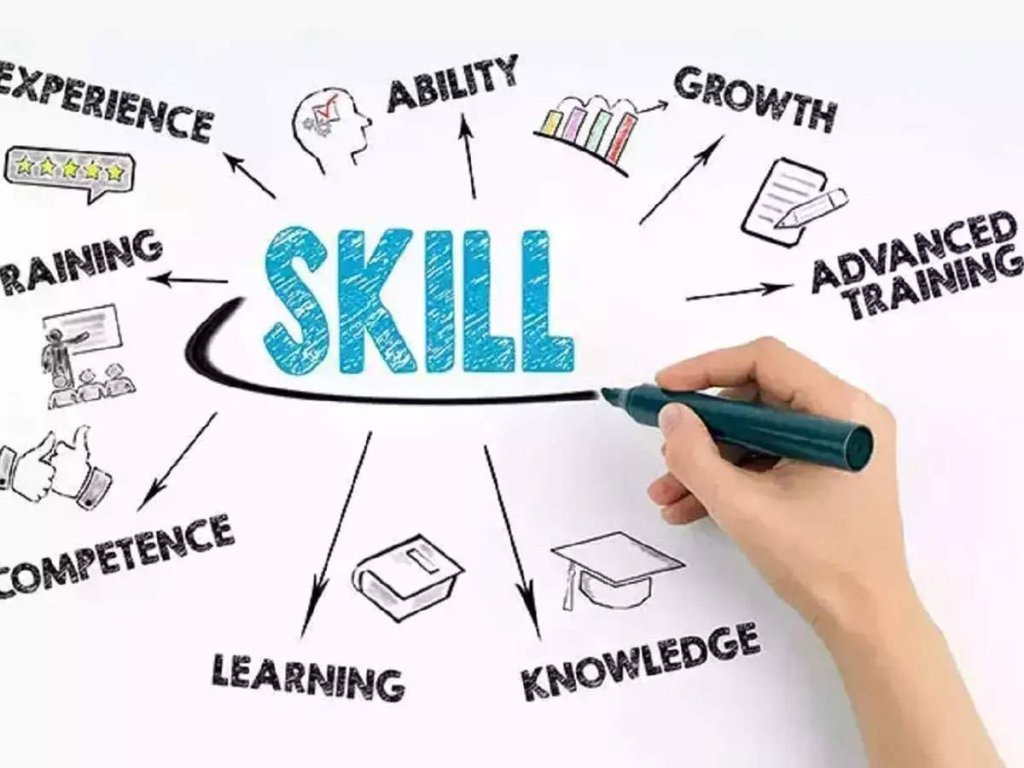
Title: From Salary Slave to Skill-Driven Entrepreneur: Unleash Your True Potential by Dr. Kiran Kakade

In today’s rapidly changing world, the concept of employment and entrepreneurship is evolving. Traditionally, many of us have grown up with the idea that a steady job with a regular salary is the path to financial security. However, there’s a paradigm shift happening where individuals are redefining success by relying on their skills and becoming true entrepreneurs. In this blog, we’ll explore the journey of breaking free from salary dependency and embracing a life centered around skills.

The Salary Dependency Trap

For decades, the 9-to-5 job with a stable paycheck has been the hallmark of financial stability. It’s the path most people follow because it offers security, benefits, and a sense of predictability. However, it often comes at the cost of limited growth, creativity, and a sense of fulfillment.

The Rise of Skill-Centric Entrepreneurship

The true entrepreneur doesn’t seek safety in a paycheck; they seek opportunities to apply their skills, take risks, and build something of their own. Here’s how one can transition from salary dependency to skill-centric entrepreneurship:

1. Self-Discovery:

  • Identify your unique skills and passions.
  • Understand what truly excites and motivates you.

2. Skill Development:

  • Invest in honing your skills through education, training, and practice.
  • Keep learning and adapting to stay relevant in a changing world.

3. Mindset Shift:

  • Embrace uncertainty as an opportunity rather than a threat.
  • Cultivate a growth mindset that welcomes challenges and failures.

4. Networking:

  • Connect with like-minded individuals and mentors.
  • Collaborate with others to expand your skillset and knowledge.

5. Identifying Opportunities:

  • Look for gaps in the market where your skills can provide value.
  • Be open to exploring new industries and niches.

6. Risk Management:

  • Understand that entrepreneurship comes with risks.
  • Create a financial safety net to mitigate potential setbacks.

7. Persistence:

  • Be prepared for setbacks and failures.
  • Keep pushing forward, learning from your experiences.

The Rewards of Skill-Centric Entrepreneurship

When you build a life around your skills, rather than depending solely on a salary, you open doors to several advantages:

1. Freedom and Autonomy:

  • You have control over your time and decisions.
  • No more waiting for annual raises or promotions.

2. Income Potential:

  • Your income is not limited by a fixed salary.
  • Your skills can lead to multiple income streams.

3. Personal Fulfillment:

  • Pursuing what you’re passionate about brings deep satisfaction.
  • Every day becomes an opportunity for personal growth.

4. Innovation:

  • Entrepreneurs drive innovation by solving real-world problems.
  • Your skills can lead to transformative ideas and solutions.

Conclusion

Transitioning from salary dependency to skill-centric entrepreneurship is a journey that requires self-awareness, resilience, and adaptability. However, the rewards are profound. By betting on your skills and taking control of your destiny, you can lead a fulfilling and financially rewarding life. Remember, becoming a true entrepreneur is not about what you earn; it’s about what you learn, create, and contribute to the world.

Title: Management Wisdom from Bhagavad Gita Chapter 5: Embracing Detached Action by Dr. Kiran Kakade

Source:- https://www.holybhagavadgita.org

Introduction:

In the world of management and leadership, wisdom can be found in unexpected places, including ancient texts like the Bhagavad Gita. This sacred Hindu scripture, which dates back thousands of years, contains profound insights that are still relevant in the modern business world. Chapter 5 of the Bhagavad Gita, in particular, imparts a valuable lesson on management: the concept of “Nishkama Karma” or detached action. Let’s explore how these timeless teachings can be applied to effective management.

  1. Goal-Oriented Focus:

Effective management starts with setting clear goals and objectives. However, the Bhagavad Gita reminds us that success should not be solely tied to outcomes. Encourage your team to focus on the effort and dedication put into the task. By doing so, you promote a work culture that values the journey as much as the destination.

  1. Detach from Results:

One of the most profound lessons from the Gita is the idea of performing duties with dedication and commitment but without attachment to the results. In the fast-paced business world, it’s easy for employees to become anxious or stressed about performance and outcomes. Teach your team to detach from these external pressures, allowing them to work with clarity and purpose.

  1. Adaptability:

Change is the only constant in the business world. The Gita emphasizes the importance of adaptability to different situations. As a manager, instill a culture of flexibility and open-mindedness within your team. Encourage them to embrace change as an opportunity for growth rather than a threat.

  1. Selfless Leadership:

A selfless leader who acts for the benefit of the team and the organization, rather than personal gain, can inspire loyalty and trust among employees. The Gita’s teachings on selflessness and leading by example resonate strongly in the realm of management. Prioritize the well-being of your team and the success of your organization above personal ambitions.

  1. Decision-Making:

Encourage your team to make decisions based on values and principles rather than short-term gains. The Gita underscores the importance of righteous action. Make ethics and integrity cornerstones of your management style. This not only builds trust but also ensures the sustainability of your organization.

  1. Balance and Harmony:

A harmonious work environment fosters productivity and creativity. The Gita places great importance on equilibrium in all aspects of life. As a manager, promote work-life balance, diversity, and inclusivity within your team. Create a space where every member feels valued and heard.

  1. Continuous Learning:

Finally, the Bhagavad Gita emphasizes the value of continuous learning and self-improvement. Just as Lord Krishna imparts knowledge to Arjuna throughout the Gita, encourage your team to embrace learning opportunities. Invest in their growth, and they will contribute to the growth of your organization.

Conclusion:

The management lessons derived from Chapter 5 of the Bhagavad Gita provide a blueprint for effective, ethical, and compassionate leadership. By embracing detached action, setting meaningful goals, and fostering a harmonious work environment, you can create a workplace where both personal and organizational growth thrive. These timeless teachings remind us that true success lies not just in what we achieve but in how we journey toward our goals.

Title: The Indispensable Role of Discipline in Our Success Journey by Dr. Kiran Kakade

Source: https://www.digitalclassworld.com

Introduction:


Discipline, a term we all understand, yet its true significance often eludes us. It is an indispensable element that runs through the lives of the most accomplished individuals. The importance of discipline transcends boundaries, as it molds our daily existence and paves the path to success.

“Life without discipline is just like a ship without radar.”

This saying underscores the profound importance of discipline in a student’s life, setting the stage for success in all spheres. Let’s delve into why discipline is so vital and explore its multifaceted role.

Why is Discipline Important?


Discipline is the foundation of order and harmony in an individual’s life. It teaches responsibility and respect, laying the bedrock for a civilized society. Without discipline, chaos would reign, and thoughtful decision-making would become scarce.

  1. Development Importance:
    Discipline systematically shapes an individual’s life. It cultivates the mindset necessary for a positive approach towards life’s challenges. By instilling patience, it enables individuals to channel their energy effectively.
  2. Attitude Development:
    Discipline not only helps maintain a positive attitude but also guides us in interacting with others effectively. It prevents hasty, detrimental reactions and encourages a more measured response to various situations.
  3. Improved Concentration:
    Discipline enhances mental and physical faculties, promoting improved concentration. Students benefit significantly from discipline, as it allows them to manage their time efficiently, keeping their minds and bodies fresh and active.
  4. Mental Health Improves:
    In our modern society, where anxiety and depression are prevalent, discipline plays a crucial role in mental health improvement. It empowers individuals to control emotional outbursts, reducing the risk of panic attacks and depression.
  5. Maintains Social Peace:
    Discipline is vital for societal well-being. It establishes rules and regulations that prevent injustice and conflicts. A disciplined society ensures that individuals understand the consequences of their actions and adhere to the norms that preserve peace and order.

Role of Discipline in School:
Discipline in a student’s life is paramount. It instills time management skills, improves concentration, and sets a positive attitude towards learning. Students with discipline are better equipped to achieve their academic goals, as it sharpens their minds and bodies.

Conclusion:
In conclusion, discipline is not just a personal trait but a societal necessity. It shapes our attitudes, enhances concentration, improves mental health, and maintains social peace. The role of discipline in our lives is multifaceted and cannot be underestimated. Embracing discipline as a guiding principle can lead us towards a successful and fulfilling journey in both personal and societal aspects. As the saying goes, “There is no life without discipline.”