
Title: Indian Culture of Unity in Diversity and the Impact of Hate Religious Comments by Politicians by Dr Kiran Kakade

Source:- https://www.thenewsminute.com

Introduction

India, often celebrated as a land of unity in diversity, boasts a rich cultural tapestry woven together by countless religions, languages, and traditions. This cultural diversity has been a source of strength and resilience for centuries, fostering a sense of inclusivity and tolerance among its people. However, recent comments by politicians, such as Udhayanidhi Stalin’s remarks on Sanatana dharma, have raised concerns about the preservation of this unity and tolerance.

Unity in Diversity: The Essence of Indian Culture

India’s cultural landscape is a testament to its pluralistic ethos. The concept of unity in diversity encapsulates the idea that despite the myriad differences in religious beliefs, languages, and customs, Indians have lived together harmoniously for generations. This is not just a catchphrase; it’s deeply ingrained in the fabric of the nation.

At the heart of this cultural coexistence is the principle of Sanatana dharma. Sanatana dharma, often referred to as the “eternal” or “absolute” set of duties, transcends class, caste, or sect. It embodies virtues such as honesty, non-violence, purity, goodwill, and patience. These values are not limited to a particular group or sect but are meant for all individuals, forming the foundation of moral and ethical conduct in Indian society.

Politicians and Hate Religious Comments

In recent years, some politicians have made inflammatory remarks that threaten the unity and diversity India has cherished for centuries. Udhayanidhi Stalin’s comments, equating Sanatana dharma with diseases like dengue and malaria and calling for its eradication, are deeply troubling.

Such comments not only insult the beliefs of a significant section of the population but also contribute to an environment of religious intolerance. It’s essential to remember that freedom of speech comes with the responsibility to respect the sentiments and beliefs of others. Politicians, as representatives of the people, should be mindful of the consequences of their words.

The Way Forward

Preserving India’s cultural heritage of unity in diversity is a shared responsibility. To achieve this, we must:

  1. Promote Religious Tolerance: It’s crucial for political leaders to promote religious tolerance and respect for all faiths. Encouraging dialogue and understanding can help bridge divides and build a more harmonious society.
  2. Fostering Inclusivity: Inclusivity should be the cornerstone of our society. It’s essential to ensure that every individual, regardless of their religious or cultural background, feels valued and protected.
  3. Educating Politicians: Political leaders should receive education and training on the importance of religious and cultural sensitivity. They must lead by example, advocating for unity and diversity in their actions and words.

Conclusion

Indian culture’s strength lies in its unity in diversity. It is our collective responsibility to safeguard and celebrate this heritage. Politicians, as custodians of our democratic values, must refrain from making hate religious comments that divide our society. Instead, they should champion the principles of tolerance, inclusivity, and unity that have defined our nation for millennia. By doing so, we can ensure that India’s cultural fabric remains intact for generations to come.

Title: The Impact of ISRO’s Success on Pakistan’s Space Ambitions by Dr Kiran Kakade

Introduction:

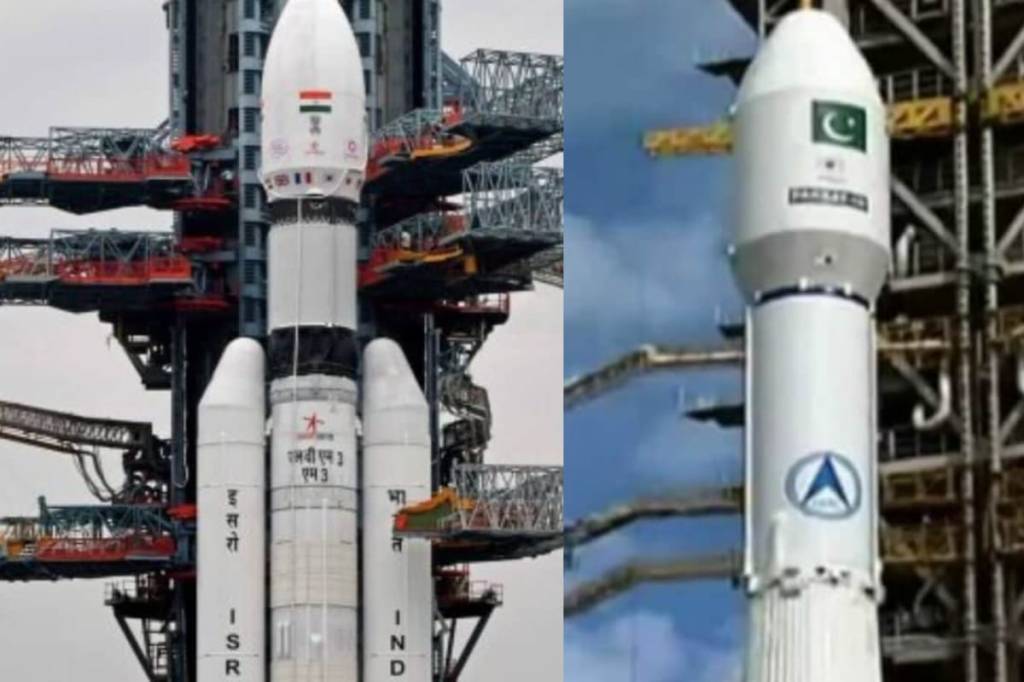
In recent years, the successful endeavors of the Indian Space Research Organization (ISRO), particularly the Chandrayaan-3 mission, have sparked debates and discussions in Pakistan regarding its own space research program. Many Pakistanis have begun to question their government’s allocation of resources, particularly its investment in missile programs over space exploration. This article delves into the changing landscape of Pakistan’s space ambitions and how ISRO’s achievements have influenced this transformation.

Historical Trajectory:

Pakistan embarked on its space journey with great promise. In 1962, Pakistan achieved a significant milestone by launching its first rocket, Rehbar-1, making it the third Asian nation after Japan and Israel to do so. The Space and Upper Atmosphere Research Commission (SUPARCO) was established in 1961, predating India’s ISRO by eight years.

Collaboration with the United States:

During the early 1960s, the United States, in its quest to reach the moon, sought a suitable location for atmospheric research. Given Pakistan’s Cold War alliance with the U.S., it became a natural partner for conducting research in the Indian Ocean. In collaboration with the U.S., Pakistan launched Rehbar-1 in 1962. This launch not only furthered scientific knowledge but also led to the establishment of a Doppler radar tracking station in Pakistan.

Satellite Technology and International Participation:

SUPARCO continued to evolve, establishing a Remote Sensing Research Group and the National Remote Sensing Centre (‘Resacent’) in 1980. These advancements allowed Pakistan to interpret remotely sensed data and participate in international space committees like the United Nations Committee on the Peaceful Uses of Outer Space (COPUOS) and the Committee on Space Research (Cospar).

A Changing Perspective:

Despite previous skepticism and criticism of ISRO, there has been a noticeable shift in Pakistan’s attitude toward India’s space achievements. Former Pakistani Science and Technology Minister Fawad Hussain praised India’s Chandrayaan-3 mission, describing it as a “historic moment for humankind.” Pakistani media also acknowledged India’s achievement, highlighting its success with a relatively modest budget compared to wealthier nations.

Challenges Faced by SUPARCO:

SUPARCO’s progress has been hindered by various challenges, including leadership primarily consisting of military personnel since the 2000s. The departure of Nobel laureate Abdus Salam, who had established research hubs and training agreements with NASA, further impacted the organization’s development.

ISRO’s Success Story:

In contrast, ISRO has been led by scientists, and its achievements have been notable, even with a comparatively smaller budget than SUPARCO. The contrast in budgets, with ISRO receiving $1.6 billion while SUPARCO’s budget stands at 7.4 billion rupees, has not gone unnoticed by the Pakistani public.

Conclusion:

ISRO’s successful space missions, including Chandrayaan-3, have prompted a reassessment of priorities in Pakistan’s space program. The comparisons between the two nations’ space agencies and their respective achievements have led to increased interest in science and technology among Pakistanis. It remains to be seen how these changing perspectives will shape Pakistan’s future in space exploration and research.

Title: Online Degree vs. Offline Degree Validity in India: A Guide for Working Professionals- Dr Kiran Kakade

Source:https://www.businesstoday.in

Introduction:


In recent years, the education landscape in India has witnessed a significant transformation, especially in the wake of digitalization. The rise of online education has raised questions about the validity and utility of online degrees compared to traditional offline degrees, especially for working professionals. In this blog, we will explore the validity of online degrees in India and how they can benefit those who are already in the workforce.

The Validity of Online Degrees in India:

Recognition by UGC and Regulatory Bodies:

  • The University Grants Commission (UGC) in India has recognized many universities and institutions offering online programs. This recognition means that degrees earned from these institutions are considered valid.

Distance Education Council Approval:

  • Online degrees fall under the purview of the Distance Education Council. Many universities offering online programs have received approval from this regulatory body, ensuring the validity of their degrees.

Industry Acceptance:

  • Many employers in India now recognize the value of online degrees, particularly from reputed institutions. They understand that online education can provide practical and updated skills.

Advantages of Online Degrees for Working Professionals:

Flexibility:

  • Online education offers the flexibility to study at your own pace and time. This is highly beneficial for working professionals who can manage their job responsibilities alongside their studies.

Cost-Efficiency:

  • Online courses often cost less than traditional on-campus programs. This financial benefit can be especially appealing for those who are already working and may have financial commitments.

Career Advancement:

  • Earning an online degree can enhance your skills and qualifications, making you more competitive in your current job and opening doors to better career opportunities.

Accessibility:

  • Online education eliminates the need to commute to a physical campus. This accessibility is a significant advantage for working professionals who might not have the time or resources to travel.

Updated Curriculum:

  • Online programs often have more up-to-date content and materials because they can be quickly revised to reflect industry changes and advancements.

Networking Opportunities:

  • Online courses often have a diverse group of students, allowing you to network with professionals from various industries and locations.

Conclusion:


Online degrees in India have gained recognition and acceptance, making them a valid and valuable option for working professionals. The flexibility, cost-efficiency, and career benefits they offer make them a viable choice for those looking to advance their education while managing their work commitments. However, it’s crucial to choose accredited and reputable institutions to ensure the validity and quality of your online degree. Ultimately, the decision between an online and offline degree should be based on your specific needs and circumstances.

Author Details:-

Dr Kiran Kakade,                    Associate professor(HR & OB), LLIM, Mumbai University, Mumbai Website:- http://www.drkirankakade.com

Title: The Crucial Role of Accreditation in Higher Education in India – Dr Kiran Kakade

Introduction:

Accreditation plays a pivotal role in shaping the higher education landscape in India. It serves as a validation of an institution’s commitment to quality and excellence. Through a voluntary evaluation process by external agencies, institutions demonstrate their adherence to specific quality standards. In this blog, we will explore the numerous benefits of accreditation for higher education institutions in India.

Quality Assurance:

Accreditation acts as a beacon of quality assurance. It signifies that an institution has not only met but often exceeded established benchmarks in critical areas like curriculum, faculty qualifications, infrastructure, student support services, and research output. This assurance assures stakeholders – students, parents, and others – that they are investing in a high-quality education.

Enhancing Institutional Reputation:

Accreditation substantially boosts an institution’s reputation and credibility. Accredited institutions are regarded as reliable and trustworthy, attracting students, faculty, and funding opportunities. This enhanced reputation helps institutions flourish and earn the trust of the academic community and employers alike.

Student Recruitment and Retention:

Accreditation is a powerful tool for student recruitment and retention. Prospective students and their families often view accreditation as a critical factor when selecting an institution. Accreditation offers them the assurance of quality, which boosts their confidence in the education they will receive. Additionally, it eases credit transfer and degree recognition, facilitating students’ academic journeys.

Access to Funding and Grants:

Accreditation opens doors to financial support. Many government programs and funding agencies require institutions to hold accreditation to be eligible for grants. Accreditation showcases an institution’s effectiveness, making it more likely to secure grants, scholarships, research funding, and industry partnerships.

Continuous Improvement:

Accreditation encourages a culture of continuous improvement within institutions. It fosters self-assessment, self-reflection, and long-term planning to meet quality standards. The process provides constructive feedback and recommendations, helping institutions identify strengths and areas needing enhancement. This focus on continuous improvement keeps institutions relevant in a changing educational landscape.

Global Recognition and Mobility:

Accreditation amplifies an institution’s global recognition and facilitates mobility for students and faculty. Accredited institutions are more likely to be recognized internationally, enabling collaborations, student exchanges, research partnerships, and global initiatives. Accreditation also simplifies credit transfer and qualification recognition, facilitating international educational pursuits and career opportunities.

Institutional Accountability:

Accreditation promotes institutional accountability and transparency. The evaluation process ensures adherence to ethical practices, academic integrity, and responsibilities toward students and society. Accredited institutions are accountable to accrediting agencies, stakeholders, and the public, fostering a culture of responsibility.

Conclusion:

In conclusion, accreditation offers a multitude of advantages to higher education institutions in India. It establishes and ensures quality, enhances reputation, attracts stakeholders and funding, promotes improvement, facilitates global recognition, and fosters accountability. By undergoing the accreditation process, institutions declare their commitment to excellence, differentiating themselves in the competitive education landscape and contributing to India’s educational development. However, it’s important to acknowledge that managing higher education accreditation is a complex and time-consuming process, often burdening faculty members with manual data management. In the age of technology, there is a growing need for streamlined and efficient data management solutions to ease this process, ensuring accuracy and reducing the workload on educational institutions.

Title: One Nation, One Election: A Game-Changing Reform in Indian Politics

Source:- https://www.orissapost.com/

Introduction

In a move that could reshape India’s political landscape, the central government, under the leadership of Prime Minister Narendra Modi, is contemplating the introduction of the ‘One Nation, One Election’ bill. This ambitious proposal seeks to synchronize elections across the nation, including both the Lok Sabha (the lower house of India’s Parliament) and all state assemblies. As we prepare for the special session of Parliament scheduled from September 18 to 22, it’s essential to delve into the concept of ‘One Nation, One Election’ and understand its potential implications for the world’s largest democracy.

What is ‘One Nation, One Election’?

The concept of ‘One Nation, One Election’ is straightforward but far-reaching. It envisions holding all elections—both parliamentary and state assembly elections—simultaneously, effectively aligning their schedules. This synchronization would mean that voters across India would cast their ballots in Lok Sabha and state assembly elections at around the same time. While the idea might sound simple, it carries profound implications for India’s political landscape and governance.

Advantages of ‘One Nation, One Election’

  1. Cost Reduction: One of the primary advantages of this proposal is the potential to significantly reduce the financial burden associated with frequent elections. India, with its multi-tiered electoral system, incurs substantial expenses in conducting various elections at different times. Synchronizing elections would help cut costs substantially, allowing resources to be allocated more efficiently for development and public welfare.
  2. Enhanced Governance: Frequent elections often lead to policy paralysis, as governments focus on electoral strategies rather than long-term governance. By holding elections simultaneously, elected representatives and governments can devote more time to policymaking, implementation, and the overall betterment of society.
  3. Voter Engagement: Simultaneous elections could potentially increase voter turnout, as citizens may be more motivated to participate when multiple elections are combined. This heightened engagement could strengthen the democratic process and ensure that the will of the people is better represented.
  4. Stable Governments: Frequent elections can result in coalition governments that are often less stable. Synchronizing elections may lead to more stable and majority governments, enabling more decisive and effective governance.

Challenges and Concerns

While the ‘One Nation, One Election’ proposal holds promise, it is not without its share of challenges and concerns:

  1. Constitutional Amendments: Implementing such a significant change would require amendments to the Indian Constitution. This involves a complex and lengthy legislative process, including approvals from a majority of states.
  2. Logistics and Infrastructure: Coordinating elections across a vast and diverse country like India is a logistical challenge. Ensuring smooth conduct of elections, voter registration, and counting of votes simultaneously requires robust infrastructure and planning.
  3. Impact on Regional Parties: Smaller regional parties might find it challenging to compete effectively in simultaneous elections, potentially altering the political landscape and leading to concerns about federalism.
  4. Debatable Timing: Critics argue that the timing of this proposal is crucial, as it could be perceived as a political maneuver rather than a genuine effort to improve governance.

Conclusion

The ‘One Nation, One Election’ proposal represents a bold and transformative vision for India’s electoral system. If implemented successfully, it could streamline governance, reduce election-related expenses, and lead to more stable governments. However, it is essential to approach this idea with caution, considering the constitutional complexities and the potential impact on regional parties.As we anticipate the special session of Parliament in September, it is incumbent upon our elected representatives to engage in a constructive and inclusive debate on the ‘One Nation, One Election’ bill. Ultimately, the fate of this proposal will be determined by its ability to address India’s unique challenges while upholding the principles of democracy and federalism that our nation holds dear.

Title: The Dark Side of Indian Academia: The Scandalous World of Fake Journals by Dr Kiran Kakade

Source: https://thinkscience.co.jp/

Introduction

The pursuit of academic recognition, research advancement, and career progression is a universal goal for scholars and researchers. However, in recent years, the academic landscape in India has witnessed a disturbing trend: the emergence of fake journals and an underground economy where scholars and professors pay to get their research published in seemingly legitimate, but actually fraudulent, journals. This blog delves into the alarming issue of Indian PhDs and professors falling victim to this racket, compromising the integrity of academic research, and tarnishing the reputation of Indian scholars on the global stage.

The Rise of Fake Journals and Fixers

For many academics, the pressure to publish in reputable journals is intense due to the emphasis on research output for promotions and career advancement. In this environment, opportunistic individuals have capitalized on the desperation of PhD scholars and professors by offering services to get substandard, and sometimes entirely fabricated, research papers published in journals that are indexed by Scopus, one of the world’s largest journal databases. These fixers operate in cahoots with compromised peer-review boards, undermining the peer-review process that serves as a cornerstone of credible research publication.

The Impact on Science and Trust

The consequences of this racket extend far beyond the individuals involved. It erodes the credibility of Indian researchers on the international academic stage, as the fake publications flood databases and indexes, making it difficult to distinguish legitimate research from dubious content. This undermines the trust the public places in science and scientists to uphold truth and integrity, endangering the very foundation of scholarly pursuit.

Case Studies: Exposing the Scandal

Several case studies highlight the severity of the issue. Journals that were once indexed by Scopus, such as the International Journal of Early Childhood Special Education and the International Journal of Control and Automation, lost their Scopus coverage due to their involvement in publishing irrelevant and questionable content. Researchers have been caught publishing papers on unrelated topics and even ghostwritten papers, all in an effort to manipulate their academic standing.

Intricacies of the Racket

Agents and fixers play a crucial role in this nefarious ecosystem, acting as intermediaries between authors and fraudulent journals. These individuals exploit the desperation of academics who might lack the necessary language skills or genuine research output, promising publications in exchange for fees. Though many acknowledge the ethical dilemma, they often justify their actions as a means of earning money.

Fake Journals Hijacking Legitimate Publications

The problem doesn’t stop at publishing in dubious journals. The phenomenon of hijacked journals adds another layer of complexity to the issue. Hijacked journals take over legitimate publications’ titles, ISSNs, and metadata without consent. This allows fraudulent publishers to dupe researchers and institutions into submitting articles and even paying publication fees, thereby tarnishing the reputation of the legitimate journals.

Conclusion

The prevalence of fake journals and the willingness of scholars and professors to participate in this racket point to a systemic issue within the Indian academic ecosystem. The pressure to publish, coupled with the lack of proper oversight, has created an environment ripe for exploitation. Addressing this issue requires collaborative efforts among universities, academic bodies, and researchers themselves to prioritize the integrity of research over the pursuit of mere publications. As Indian academia grapples with these challenges, it’s crucial to implement stringent measures to identify and expose fake journals, while emphasizing the importance of ethical research practices. Only by restoring trust and upholding the true essence of scholarly pursuit can Indian academia regain its rightful place on the global stage.


Title: Embracing Your Unique Journey: The Power of Letting Go of Comparison

Source:-https://sharechat.com/item/r9bJGVK

Introduction

In the age of social media and constant connectivity, it’s easy to fall into the trap of comparing ourselves to others. Whether it’s comparing our achievements, appearances, or lifestyles, the habit of unfavorable comparison can take a toll on our self-esteem and hinder our personal growth. It’s time to break free from this cycle and embrace our individuality with open arms. In this blog post, we’ll explore the transformative power of letting go of comparison and celebrating the uniqueness that each one of us brings to the table.

The Harshness of Self-Comparison

When we compare ourselves unfavorably to others, we’re essentially being harsh on ourselves. This inner criticism can have a profound impact on our self-esteem, leading to feelings of inadequacy and self-doubt. Constantly measuring ourselves against others creates a toxic environment where our achievements are overshadowed by a constant need for validation from external sources.

Embracing Your Uniqueness

Each person is a tapestry woven from a distinct combination of skills, experiences, and qualities. No two individuals are exactly alike, and that’s what makes the world a beautifully diverse place. Instead of fixating on what we lack, we should take a moment to appreciate and embrace the qualities that make us unique. Our individual strengths are the building blocks for personal growth and fulfillment.

Shifting Focus and Igniting Creativity

Comparison has a way of shifting our attention away from our authentic self-expression. When we’re consumed by thoughts of how we measure up to others, we miss out on the opportunity to tap into our creativity and joy. Our true potential flourishes when we allow ourselves the freedom to explore our passions without the constraints of comparison. Embracing our individuality sparks creativity and opens doors to new avenues of self-discovery.

Your Path, Not Someone Else’s

It’s crucial to remember that you are on your path, not someone else’s. Every individual’s journey is unique, with its own set of challenges, victories, and experiences. Comparing your journey to someone else’s is like trying to fit a square peg into a round hole – it just doesn’t work. Your path is shaped by your experiences, passions, and aspirations, and it deserves to be celebrated for what it is.

Celebrate Your Wins, Big or Small

In a world that often emphasizes grand achievements and monumental success, it’s important to remember that every victory, no matter how small, is worth celebrating. Instead of waiting for the big moments to acknowledge your accomplishments, take pride in the small steps you take every day. Celebrate the progress you make, the lessons you learn, and the growth you experience on your unique journey.

The Invitation to Let Go

Letting go of comparison is an invitation to cultivate self-compassion and nurture a positive self-image. It’s a commitment to honor your strengths, embrace your quirks, and thrive in your authenticity. So, take a deep breath, and remind yourself that you are enough – just as you are. The next time you catch yourself comparing, gently redirect your focus to the qualities that make you uniquely you.

In conclusion, the journey of self-discovery and personal growth begins with releasing the chains of comparison. Each one of us has a distinct story to tell, a unique set of skills to share, and an individual path to walk. By celebrating our wins, nurturing our creativity, and acknowledging our individual strengths, we can pave the way for a more fulfilling and authentic life. Remember, your uniqueness is your greatest asset – so stop comparing and start celebrating the remarkable person that you are.

Title: Private Companies: A Driving Force in India’s Future Space Missions by Dr. Kiran Kakade

Source:https://www.space.com

Introduction:
India’s journey into space exploration has reached new heights, with private companies emerging as significant partners. V.K. Saraswat, a member of NITI Aayog and a distinguished defence scientist, believes that private companies will play a major role in India’s future space missions, including those destined for Mars and Venus. In an interview, Saraswat emphasized India’s technical capabilities, global aspirations, and the need for scaling up to capture a larger share of the global space economy.

Private Sector’s Crucial Role:
Saraswat envisions a future where private companies will actively participate in India’s space endeavors. He expects that future programs such as the Gaganyaan (manned space mission), missions to Mars and Venus, will see substantial contributions from the private sector. This collaboration could involve the supply of sub-systems, components, devices, and even joint partnerships for significant launches. Saraswat’s perspective underscores the government’s initiative to open up the space sector to private enterprises, resulting in the emergence of multiple companies engaged in satellite technology, launch vehicles, and subsystems.

India’s Self-Reliance and Technical Prowess:
Saraswat strongly asserts that India’s technological prowess in space is on par with the best in the world. He highlights India’s recent achievement of landing Chandrayaan-3 on the moon’s south pole as a testament to the country’s strength and self-reliance in space exploration. Saraswat believes that the success of missions like Gaganyaan will propel India even further, opening up possibilities for space stations and deep space probes.

Private Sector’s Innovations:
Private companies are already making notable contributions to the Indian space ecosystem. Startups are playing a pivotal role by offering innovative solutions, ideas, and technologies that augment the growth of the space sector. Collaborating with the Indian Space Research Organisation (ISRO), startups are participating in various projects, bringing technological expertise and entrepreneurial spirit to the table. ISRO’s support to startups includes technology transfer for specialized components and the provision of launch sites for trial runs of private players’ launch vehicles.

Challenges and the Road Ahead:
While India’s achievements are commendable, Saraswat acknowledges the need for scaling up and building greater capacity. He believes that India’s current launch vehicle capabilities are on par with the world’s best. However, scaling up payload capacity remains a priority. Additionally, challenges related to value addition in domestic laptop and desktop manufacturing need to be addressed to fully tap into India’s vast market potential.

Conclusion:
India’s ambition in the space sector is poised for remarkable growth, driven by collaborations with private companies and a government keen on fostering innovation. The participation of private players in various aspects of space technology, from satellite development to launch vehicles, signifies a dynamic shift in India’s space exploration narrative. With support from both public and private sectors, India is well on its way to solidifying its position as a significant player in the global space economy and unlocking new frontiers of exploration.

Author Details:                        Dr. Kiran S. Kakade         (Ph.D., MBA(HR), LL.M., MCA)  Associate Professor (HR),LLIM ,   Mumbai University,  Website:-  http://www.drkirankakade.com

Title: “Hanuman Udi: India’s Next Ambitious Mission Soars Toward the Sun after Chandrayaan-3 Triumph” by Dr Kiran Kakade

Hot on the heels of the remarkable success of Chandrayaan-3, India’s space research organization, ISRO, is preparing to make another significant mark in space exploration. The highly anticipated Aditya-L1 spacecraft is set to embark on a journey toward the Sun, with a launch scheduled for September 2 from Sriharikota at 11:50 am. The Aditya-L1 spacecraft is ingeniously designed to observe and record remote observations of the Sun’s atmosphere, including the positioning of solar gases. This mission not only marks India’s first venture into solar observation but also showcases the nation’s capability to develop and employ indigenous technology for space exploration.

Sunset to Sunrise Observations:

Positioned at the Lagrange Point L1, approximately 1.5 lakh km from Earth, Aditya-L1 will be able to make continuous and uninterrupted observations of the Sun. This unique vantage point offers a crucial advantage, as it allows for the unobstructed study of solar activity and its effects on space weather in real-time. The spacecraft carries a suite of seven advanced instruments that will study different layers of the Sun, including the corona, photosphere, and chromosphere.

A Rocket Ride to Remember:

Aditya-L1 is set to ride into space aboard the PSLV-C57 rocket. With its payloads finely tuned for solar research, this mission aims to uncover the mysteries of the Sun’s outermost layer, the corona, and further understand the dynamics of its various layers. The scientific insights gained from this mission have the potential to revolutionize our understanding of solar behavior and its implications on our space environment and even our planet.

A Historic Encounter with the Sun:

Notably, NASA’s Parker Solar Probe achieved a historic milestone by venturing into the corona of the Sun on December 14, 2021. This pioneering mission collected samples of solar particles and magnetic field components, offering a groundbreaking glimpse into the heart of our solar system’s star. The Aditya-L1 mission, with its focus on solar observation, adds a valuable contribution to the growing body of knowledge about our Sun.

A Glimpse into the Future:

As anticipation builds for the Aditya-L1 launch, it’s evident that India’s space ambitions continue to soar. This mission could pave the way for a deeper understanding of the Sun’s influence on Earth’s climate, space weather, and technological infrastructure. With a track record of successfully launching missions like Chandrayaan-3 and Mars Orbiter spacecraft, ISRO’s reputation for precision and innovation remains unwavering.

Countdown to Discovery:

As the world eagerly awaits the September 2 launch of Aditya-L1, the excitement surrounding this mission is palpable. With its potential to unravel longstanding solar mysteries and enhance our knowledge of the universe, this mission exemplifies India’s dedication to scientific exploration and technological advancement. Just as Hanuman leapt toward the sun to obtain a sacred herb, Aditya-L1’s journey ” Hanuman Udi “ is poised to provide us with a treasure trove of insights into the enigmatic and awe-inspiring nature of our closest star.

Author Details:                        Dr. Kiran S. Kakade           (Ph.D., MBA(HR), LL.M., MCA)  Associate Professor (HR),LLIM ,  Mumbai University,  http://www.drkirankakade.com

Title: Narendra Modi: A Global Leader with a Unique Leadership Style

Introduction:
Leadership is often regarded as the cornerstone of organizational success. The effectiveness of leadership plays a pivotal role in determining the trajectory of an organization. In this blog, we delve into the leadership style of Prime Minister Narendra Modi, exploring its correlation with the concept of self-organized leadership. We’ll examine the traits that define a successful leader, explore various theories and styles of leadership, and shed light on the distinctive approach of self-organized leadership that Narendra Modi seems to embody.

Traits of a Successful Leader:
Successful leadership is marked by a set of essential traits that facilitate the achievement of organizational goals. A successful leader is not only capable of motivating and influencing others but also adept at fostering a healthy work environment, boosting confidence, and ensuring consistent growth. Furthermore, traits like adaptability to new ideas, maintaining a strong vision, and communicating effectively contribute to a leader’s efficacy.

Theories and Styles of Leadership:
Leadership is a diverse realm, encompassing various theories and styles tailored to different situations. Some prominent leadership styles include autocratic, democratic, strategic, transformational, team, cross-cultural, facilitative, laissez-faire, transactional, and coaching leadership. Each style has its unique characteristics and applicability, catering to distinct organizational needs and contexts.

Self-Organized Leadership:
One intriguing leadership concept is self-organized leadership, which aligns with natural principles and emphasizes seamless organization. It’s not about leaders assigning tasks but rather guiding teams to self-select roles based on their expertise and requirements. This approach empowers employees to adapt to evolving situations, fostering continuous improvement and equilibrium within the organization.

Correlation with Narendra Modi’s Leadership:


Prime Minister Narendra Modi’s leadership style has captured global attention. His journey from a modest background to the highest office in India reflects an organized and goal-driven approach. His initiatives like Digital India, Swachh Bharat, and Mann Ki Baat showcase a long-term vision and systematic planning. Modi’s leadership resonates with the tenets of self-organized leadership, as he seeks feedback, gathers opinions, and continuously adapts to changing dynamics.

Narendra Modi has been a prominent figure on the global political stage. His leadership style has been a subject of intense analysis and discussion, often evoking both praise and criticism. In this blog post, we’ll delve into the distinctive aspects of Narendra Modi’s leadership style and explore how they have shaped his tenure.

1. Charismatic Communication:
Modi’s ability to connect with the masses through effective communication is one of his defining traits. His speeches are characterized by their emotional appeal, relatable anecdotes, and the use of simple language that resonates with the common people. This charismatic communication has played a significant role in creating a strong and loyal following.

2. Strong Centralized Governance:
Modi’s leadership approach is often associated with a strong emphasis on centralized governance. He has focused on streamlining bureaucracy, promoting technology-driven governance, and launching initiatives such as Digital India and Make in India to boost economic growth and development.

3. Bold Decision-Making:
Throughout his tenure, Modi has demonstrated a willingness to make bold and decisive choices, often aimed at driving structural reforms. The most notable example is the implementation of the Goods and Services Tax (GST), a major tax reform that aimed to unify India’s complex tax structure. This decisiveness has earned him both admirers and critics.

4. Vision for Development:
Under Modi’s leadership, there has been a clear vision for economic development and infrastructure growth. Initiatives like “Swachh Bharat Abhiyan” (Clean India Campaign) and “Smart Cities Mission” highlight his commitment to transforming the country’s urban landscape and improving the quality of life for citizens.

5. International Diplomacy and Foreign Policy:
Modi’s foreign policy approach has been marked by active engagement with various nations. His efforts to enhance India’s global standing and foster stronger international ties have led to initiatives such as the International Solar Alliance and increased cooperation with neighboring countries.

6. Emphasis on Nationalism:
Narendra Modi’s leadership often reflects a strong sense of nationalism and pride in India’s culture and heritage. This sentiment has been a cornerstone of his political messaging and has resonated with a significant portion of the population.

7. Controversies and Criticisms:
While Modi’s leadership style has garnered admiration, it has also faced its share of criticisms. Some argue that his centralized approach can be authoritarian and limit dissenting voices. Additionally, concerns have been raised about issues like religious intolerance and freedom of expression under his leadership.

Conclusion:
Effective leadership is a multifaceted phenomenon, and successful leaders come in various styles. Prime Minister Narendra Modi’s leadership stands out due to its synergy with the self-organized leadership concept. By correlating his initiatives, vision, and adaptability with this unique style, we can appreciate the nuances that contribute to his global leadership stature. As the world evolves, so do leadership paradigms, and Modi’s leadership journey exemplifies the potential of aligning with contemporary leadership ideals.Narendra Modi’s leadership style is a blend of charismatic communication, bold decision-making, and a vision for development. It has left an indelible mark on India’s political landscape, shaping policies and initiatives that have had far-reaching implications. As with any leadership style, it has both ardent supporters and vocal critics, making it a subject of continuous debate and analysis.

Author Details:                                    Dr. Kiran S. Kakade                  (Ph.D., MBA(HR), LL.M., MCA)  Associate Professor (HR),LLIM , Mumbai University Website:- http://www.drkirankakade.com