The Wall Behind India’s Victory

Set goals, work towards them, and never give up.
– Rahul Dravid

In the world of cricket, few names resonate as deeply as Rahul Dravid’s. Known as “The Wall,” Dravid’s impact on Indian cricket extends far beyond his exceptional batting skills. His journey from a formidable player to a respected coach has been marked by resilience, discipline, and unwavering dedication.

The Legacy of Rahul Dravid

Rahul Dravid, fondly called “The Wall,” is not just a cricketer but a symbol of perseverance and integrity in sports. His illustrious career spanned decades, during which he etched his name in cricketing history with numerous accomplishments. As India’s highest run-getter in Test cricket, Dravid’s ability to weather storms on the pitch earned him admiration worldwide.

The Gentleman of Cricket

Beyond statistics, Dravid’s character stood out. Known for his humility and sportsmanship, he earned the respect of teammates and opponents alike. His calm demeanor under pressure and commitment to fair play made him a role model for aspiring cricketers globally.

From Player to Coach: A New Chapter

Retiring from cricket didn’t mark the end of Dravid’s influence. Embracing coaching, he continued to shape Indian cricket’s future. His coaching philosophy emphasized resilience and strategic depth, evident in India’s triumphs under his guidance.

Triumphs and Challenges

Dravid’s coaching tenure culminated in India’s T20 World Cup victory in 2024, a testament to his leadership and tactical acumen. His ability to transform India’s T20 approach showcased his adaptability and foresight, setting new standards in the sport.

Conclusion

Rahul Dravid’s journey embodies the essence of perseverance and excellence. From being “The Wall” in the field to a visionary coach, his impact on Indian cricket remains indelible. As he continues to inspire generations, Dravid’s legacy transcends boundaries, proving that true greatness is measured not just by victories but by the values one upholds.


Redefining Education in the Age of Artificial Intelligence by Dr. Kiran Kakade

The landscape of education is undergoing a profound transformation. Historically, educational systems have focused on training students to excel in memorization. This approach, however, often conflates memory with intelligence. A person with a sharp memory may not necessarily possess high intelligence, and vice versa. As technology advances, the traditional benchmarks of educational success are being challenged, necessitating a reevaluation of how we educate the next generation.

Memory vs. Intelligence

Memory and intelligence are distinct faculties. Memory involves the ability to store and retrieve information, much like a computer. Intelligence, on the other hand, encompasses critical thinking, problem-solving, creativity, and the ability to understand and apply knowledge in novel situations. Our current educational system, with its heavy emphasis on rote learning, tends to produce students who excel in memorizing information but may lack deeper intellectual capabilities.

An individual with a strong memory might perform well in standardized tests and exams, but these assessments do not necessarily measure their ability to think critically or innovate. In fact, having an excellent memory can sometimes indicate a certain level of mediocrity, as it suggests reliance on recall rather than understanding.

The Rise of Artificial Intelligence

With the advent of artificial intelligence (AI), the limitations of our memory-focused educational system have become even more apparent. AI can now perform tasks that require both memory and a level of intelligence previously thought to be the domain of humans. From answering complex queries to solving problems, AI systems like GPT-4 demonstrate capabilities that surpass human memory and even some aspects of human intelligence.

This raises a crucial question: how should our educational system evolve to prepare students for a future where AI handles tasks that require memory and basic intelligence?

Beyond Memory and Intelligence

The future of education lies in fostering skills that go beyond what AI can do. Here are some key areas where education needs to focus:

  1. Critical Thinking and Problem Solving: Students should be encouraged to think critically and approach problems from multiple angles. This involves teaching them how to analyze situations, evaluate evidence, and develop solutions.
  2. Creativity and Innovation: Unlike AI, which operates based on existing data and algorithms, humans have the unique ability to think creatively and innovate. Education should nurture creativity, encouraging students to think outside the box and come up with original ideas.
  3. Emotional Intelligence: AI lacks emotional intelligence—the ability to understand and manage emotions in oneself and others. Teaching students empathy, communication, and collaboration will be crucial in an AI-dominated future.
  4. Lifelong Learning: In a rapidly changing world, the ability to continuously learn and adapt is essential. Education should instill a love for learning and provide students with the tools to pursue knowledge independently throughout their lives.
  5. Ethical and Moral Reasoning: As technology advances, ethical dilemmas become more complex. Educating students on ethics and morality will prepare them to navigate the challenges posed by AI and other emerging technologies.

Redesigning the Curriculum

To achieve these goals, the curriculum needs a fundamental redesign. Here are some steps that can be taken:

  • Integrative Learning: Subjects should be taught in an integrative manner, highlighting connections between different fields and encouraging interdisciplinary thinking.
  • Project-Based Learning: Engaging students in real-world projects can help develop practical skills and apply theoretical knowledge in meaningful ways.
  • Socratic Method: Utilizing the Socratic method, which involves asking and answering questions to stimulate critical thinking, can be more effective than traditional lecture-based teaching.
  • Technology Integration: Leveraging technology to personalize learning experiences and provide students with access to a wide range of resources and perspectives.

Conclusion

As AI continues to evolve, it is clear that our educational system must adapt. By shifting the focus from memorization to developing deeper intellectual and emotional skills, we can prepare students for a future where they can thrive alongside advanced technologies. This transformation will not only enhance individual potential but also drive societal progress in an increasingly complex world.

Embrace Your Bliss: The Path to True Happiness by Dr. Kiran Kakade

In the fast-paced world we live in, where societal norms and expectations often dictate our actions and thoughts, it’s easy to lose sight of what truly matters. But there is one thing you should care about above all else: your own happiness and bliss. When you are happy, blissful, silent, and at ease with existence, everything else falls into place.

The Trap of External Expectations

Society, religion, culture, and education are all external constructs designed to shape individuals into certain molds. They create personalities that conform to specific standards and expectations. While these institutions provide structure, they often do so at the expense of personal freedom and genuine happiness.

The Essence of True Happiness

True happiness is an internal state, independent of external circumstances. It is found in moments of silence, peace, and harmony with the universe. When you align yourself with your true nature, free from the constraints of societal expectations, you experience a profound sense of ease and contentment.

Breaking Free from External Influences

To achieve this state of bliss, it’s essential to break free from the influences that try to define you. Don’t bother about anybody, any religion, any society, any culture, or any education that seeks to impose limitations on your individuality. Instead, focus on what makes you truly happy and fulfilled.

Cultivating Inner Peace

Cultivating inner peace involves a conscious effort to tune out external noise and focus on your inner world. Meditation, mindfulness, and self-reflection are powerful tools that can help you connect with your true self and discover what brings you joy. By prioritizing your own well-being, you create a foundation of happiness that can withstand external pressures.

Living Authentically

Living authentically means being true to yourself, regardless of societal expectations. It means embracing your unique qualities and following your own path. When you live authentically, you are not swayed by the opinions of others. Instead, you are guided by your inner wisdom and the pursuit of your own happiness.

Conclusion

At the end of the day, your happiness is what truly matters. By focusing on your bliss, silence, and ease with existence, you can transcend the limitations imposed by society, religion, culture, and education. Embrace your individuality, cultivate inner peace, and live authentically. When you do, you’ll find that true happiness is not only possible but also within your grasp.

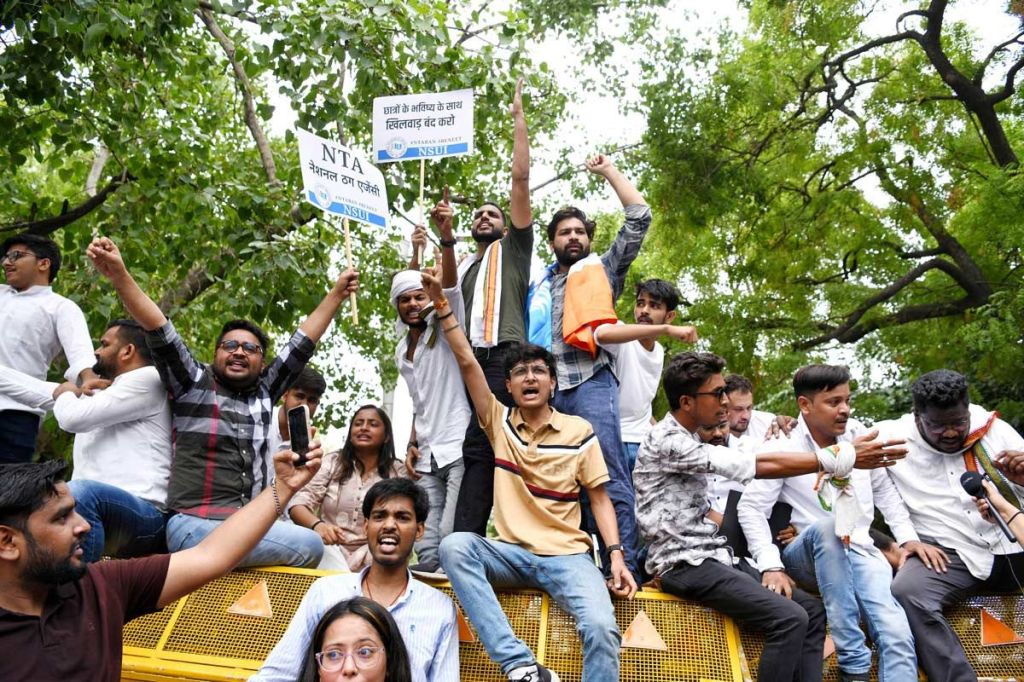
Credibility of the National Testing Agency (NTA) by Dr Kiran Kakade

Source:https://images.app.goo.gl/EsFQuQmYt3uR2JF66

Introduction

The National Testing Agency (NTA) has become a cornerstone in India’s educational landscape, responsible for conducting major entrance exams like JEE Main, NEET, UGC-NET, and others. However, the credibility of the NTA has come under scrutiny due to a series of controversies and challenges. This blog aims to explore the current situation surrounding the NTA’s credibility, analyzing the issues and potential solutions to restore trust.

Recent Controversies

  1. Technical Glitches and Errors:
  • Examination Errors: In recent years, there have been numerous reports of errors in question papers and answer keys. For instance, mistakes in the JEE Main and NEET answer keys have caused significant distress among students.
  • Technical Failures: Online examination platforms have faced technical glitches, leading to the postponement or cancellation of exams. This has raised concerns about the robustness of the NTA’s technological infrastructure.

Allegations of Mismanagement:

    • Admit Card Issues: There have been instances where students received incorrect admit cards, leading to confusion and anxiety. Some students reported last-minute changes in examination centers, adding to the logistical nightmare.
    • Result Discrepancies: Discrepancies in exam results have led to numerous complaints. Students have claimed inconsistencies in their scores, prompting demands for re-evaluation.
    1. Data Security Concerns:
    • Data Leaks: There have been allegations of data breaches where students’ personal information was reportedly leaked. This raises serious concerns about the NTA’s data protection measures.
    • Privacy Issues: The collection and handling of biometric data during exams have also been questioned, with students worried about the misuse of their personal information.

    Impact on Stakeholders

    1. Students:
    • Mental Health: The uncertainties and errors have taken a toll on students’ mental health, increasing stress levels during an already challenging period.
    • Career Prospects: Errors in examination results can significantly impact students’ career prospects, affecting their chances of getting into desired institutions.
    1. Educational Institutions:
    • Trust Deficit: Repeated issues have led to a trust deficit among educational institutions that rely on NTA-conducted exams for admissions. This may prompt them to seek alternative assessment methods.
    1. Parents:
    • Financial and Emotional Stress: Parents invest considerable resources in their children’s education. The NTA’s credibility issues add to their financial and emotional stress, as they navigate the complexities of the examination system.

    Efforts to Restore Credibility

    1. Technological Upgrades:
    • Improving Infrastructure: The NTA needs to invest in robust technological infrastructure to prevent technical glitches during exams.
    • Regular Audits: Conducting regular audits and simulations can help identify potential issues and rectify them before the actual exams.
    1. Transparent Processes:
    • Clear Communication: The NTA should ensure clear and timely communication with students and other stakeholders regarding any changes or issues.
    • Grievance Redressal: Establishing an efficient grievance redressal mechanism will help address students’ concerns promptly and transparently.
    1. Data Security Measures:
    • Strengthening Security Protocols: Implementing advanced data encryption and security protocols can prevent data breaches and protect students’ information.
    • Regular Security Audits: Conducting regular security audits will help identify and rectify vulnerabilities in the system.

    Conclusion

    The credibility of the National Testing Agency is crucial for maintaining the integrity of India’s education system. While recent controversies have highlighted significant issues, they also present an opportunity for the NTA to improve its processes and restore trust among stakeholders. By investing in technological upgrades, ensuring transparent communication, and strengthening data security measures, the NTA can rebuild its credibility and continue to serve as a reliable examination authority.

    The Problem of Life: Reactions and Ego by Dr. Kiran Kakade & Dr. Priyanka Jawa

    One of the most significant challenges we face in life is managing our reactions to other people. Many personal problems arise from our inability to control our behavior, especially when dealing with rude or abusive interactions. When we react to such negativity, we essentially hand over control of our emotions to others, leading to self-inflicted stress and turmoil.

    Consider a scenario where someone speaks to you harshly or uses abusive language. Your immediate reaction might be to respond in kind, escalating the situation. However, by reacting, you’re not just responding to that person; you’re also causing harm to yourself. This self-torture, triggered by ego and hurt feelings, is the root of many conflicts.

    Research suggests that 99% of personal problems are tied to ego. Family conflicts, relationship issues, and interpersonal strife often stem from wounded egos. When someone’s ego is hurt, they develop negative feelings towards the person responsible and often seek to retaliate in an equally negative manner. This cycle of hurt and retaliation only perpetuates conflict and unhappiness.

    To break this cycle, it is crucial to adopt a mindset of non-reaction. When someone approaches you with negativity, choosing not to engage can diffuse the situation and prevent further emotional damage. By not giving in to the impulse to react, you protect your well-being and maintain control over your emotions.

    In conclusion, many life problems can be mitigated by understanding the impact of our reactions and the role of ego in conflicts. By avoiding negative interactions and choosing not to react to provocations, we can lead more peaceful and fulfilling lives. Remember, maintaining composure and not letting others control your emotions is key to personal harmony.

    The Impact of Food on Health and Decision Making by Dr. Kiran Kakade & Dr. Priyanka Jawa

    Food is the basic element of every living organism. Every living thing in this world requires food to survive and create energy for the body. But have you ever thought about the type of food you are eating? The quality and nutritional value of the food you consume play a crucial role in your overall health and well-being. If the food is not nutritious or healthy, it can increase harmful hormones in your body, leading to various diseases. In essence, food indirectly helps the human body to function properly.

    When you eat healthy foods, especially those rich in nutrients, your body creates beneficial hormones. These hormones support physical health, enhance brain function, and improve decision-making abilities. Conversely, consuming unhealthy foods can lead to the production of detrimental hormones, which negatively affect your brain and body.

    The type of food you eat significantly influences your mental and emotional state. For example, non-vegetarian food, which involves the killing of animals, can have a negative impact on your brain and body. Although it might be nutritious, it is derived from a highly conscious living being. This kind of food might provide nutrition, but it can also increase harmful hormones in your body, affecting your thought processes and decision-making abilities.

    Some argue that plants are also living things, and consuming them could similarly increase harmful hormones. However, the level of consciousness in plants is significantly lower compared to animals. Therefore, plant-based foods are less likely to have the same negative impact on your hormones and mental state as animal meat.

    Every human being needs to consume food in moderation to live healthily. However, in today’s world, many people eat not out of necessity but for taste. This shift in eating habits affects decision-making processes, ultimately impacting one’s future.

    Four Quadrants of Food Impact:

    1. Nutritious and Positive: Foods that are both nutritious and promote positive hormone production. Examples include fresh fruits, vegetables, whole grains, nuts, and seeds.
    2. Nutritious and Negative: Foods that are nutritious but may promote negative hormone production due to their origin or processing. Examples include certain types of meat or heavily processed foods.
    3. Non-Nutritious and Positive: Foods that might not be highly nutritious but do not significantly contribute to negative hormone production. Examples include some plant-based snacks or low-calorie treats.
    4. Non-Nutritious and Negative: Foods that are neither nutritious nor beneficial for hormone production. Examples include junk food, sugary snacks, and heavily processed items.

    In conclusion, the food you consume directly impacts your brain, body, and decision-making abilities. By choosing nutritious and health-promoting foods, you can enhance your mental clarity, make better decisions, and improve your overall future. Remember, eating should be about nourishing your body and mind, not just satisfying your taste buds.

    Time Travel: Journey to know the Present by Dr.Kiran Kakade

    “Yesterday is history, tomorrow is a mystery, and today is a gift. That’s why it’s called the present.”

    The allure of time travel has captured the human imagination for centuries. From H.G. Wells’ “The Time Machine” to blockbuster movies like “Back to the Future,” the concept of moving through time opens endless possibilities. But amidst our fascination with the past and the future, we often overlook the significance of the present moment.

    The Myth and Reality of Time Travel

    Time travel, in its fictional depiction, allows characters to alter the past or glimpse the future. While it provides thrilling narratives, the reality is starkly different. Science, as we know it, doesn’t support the feasibility of time travel. Einstein’s theory of relativity suggests that time is relative and can be stretched, but traveling back and forth in time remains beyond our current technological and theoretical grasp.

    However, there’s a profound lesson to be learned from these stories: the importance of the present. Time travel tales often underscore the impact of small actions and decisions on the future. They remind us that while we can’t change the past or control the future, we can shape our present.

    Yesterday is History

    The past is unchangeable, a collection of events that have shaped who we are today. It holds lessons, memories, and experiences. While reflecting on the past is crucial for growth and learning, dwelling on it excessively can prevent us from moving forward. We must acknowledge our past, learn from it, and then let it be a stepping stone rather than a stumbling block.

    Tomorrow is a Mystery

    The future is uncertain, full of endless possibilities and unforeseeable changes. While it’s natural to plan and prepare for what lies ahead, it’s also essential to accept that we cannot predict or control everything. Worrying about the future often leads to anxiety and stress, which detracts from our ability to live fully in the present.

    Today is a Gift

    This brings us to the present moment, the only time we truly have control over. Today is where we can act, change, and make a difference. The present is a gift because it’s where life happens. By living in the moment, we can experience life more fully, appreciate the small joys, and build meaningful connections with those around us.

    Freezing Time: The Art of Mindfulness

    Mindfulness is the practice of being fully present and engaged in the current moment. It’s about noticing your thoughts and feelings without judgment and being aware of your surroundings and actions. By practicing mindfulness, we can ‘freeze’ time in a way, allowing ourselves to savor each moment and live more intentionally.

    Mindfulness can be cultivated through simple practices such as:

    • Meditation: Taking time each day to sit quietly, focus on your breath, and observe your thoughts can help you become more present.
    • Gratitude: Reflecting on what you’re thankful for can ground you in the present moment and shift your focus away from past regrets or future worries.
    • Deep Breathing: Simple breathing exercises can help you center your mind and bring your attention back to the here and now.
    • Engaging Fully: Whether it’s a conversation with a loved one or a mundane task, being fully engaged and attentive can transform ordinary moments into extraordinary experiences.

    Conclusion

    While time travel might remain a figment of our imagination, its underlying message is timeless. By learning from the past, accepting the future’s uncertainty, and fully embracing the present, we can lead more fulfilling lives. Today is indeed a gift, and by living in the moment, we can make the most of the time we have. So, let’s freeze today’s time, savor each moment, and live our best lives now.

    Consistent Effort, Gratitude, and Growth: Keys to Personal Transformation by Dr. Kiran Kakade

    Changing yourself takes consistent effort and dedication. It’s not about making massive changes overnight but about making small, incremental steps every day that lead to significant transformations over time. Here’s a comprehensive guide on how to embark on a journey of personal growth and achieve lasting change.

    1. Consistency is Key

    Spend some time each day working on your goals, even if it’s just for a few minutes. Consistency compounds over time. Here are some tools to help you stay on track:

    • Calendars and To-Do Lists: Plan your tasks and track your progress.
    • Accountability Partners: Share your goals with someone who can help keep you accountable and motivated.

    Remember, progress might be slow, but these small steps can lead to big changes.

    2. Embrace Failure as a Learning Opportunity

    Failure is a natural part of growing. Instead of being afraid of it, see it as a chance to learn and improve. When things go wrong, ask yourself:

    • “What can I learn from this?”
    • “How can I use this experience to get better?”

    Be kind to yourself. Failing doesn’t define your worth; it’s simply a part of the learning process.

    3. Practice Gratitude

    Being grateful has many psychological benefits, including making you happier, improving relationships, and boosting mental health. Make it a habit to:

    • Reflect Daily: Spend a few minutes each day thinking about what you’re thankful for, even the small things.
    • Keep a Gratitude Journal: Write down things you appreciate regularly.
    • Express Thanks: Thank others and recognize the good in your life.

    Practicing gratitude can shift your outlook and encourage positive change.

    4. Take Care of Yourself

    Self-care is fundamental to handling stress, making positive changes, and achieving your goals. Incorporate stress-reducing activities into your routine, such as:

    • Meditation and Yoga: These practices can help calm your mind and reduce stress.
    • Deep Breathing Exercises: Simple techniques can quickly alleviate stress.
    • Healthy Habits: Ensure you get enough sleep, eat well, and exercise to keep your body and mind healthy.

    When you look after yourself, you are better equipped to face challenges and pursue your goals.

    5. Face Your Fears and Try New Things

    Growth often comes from stepping out of your comfort zone. Start by setting small goals that push you to do something uncomfortable:

    • Engage with Strangers: Practice talking to new people.
    • Explore New Hobbies: Trying new activities can open up new perspectives.

    As you become accustomed to being uncomfortable, you can tackle bigger challenges, leading to greater personal growth.

    6. Surround Yourself with Positive Influences

    The people around you significantly impact your personal growth. Seek out mentors, role models, and supportive friends who inspire and encourage you. Engage in activities that foster growth:

    • Attend Workshops and Seminars: Learn new skills and gain new insights.
    • Join Clubs or Groups: Find communities that align with your interests and goals.

    By surrounding yourself with positive influences, you create an environment conducive to your personal development.

    Conclusion

    Personal transformation is a journey that requires consistent effort, a positive mindset, and a supportive environment. By practicing gratitude, taking care of yourself, embracing failure, and pushing your boundaries, you can achieve meaningful and lasting change. Remember, every small step you take today brings you closer to the person you want to become tomorrow.

    The Language of Strength: A Guide to Human Decision-Making

    Diplomacy: The Desire for Pleasure

    Human decisions are often driven by the desire for pleasure. This desire influences our interactions and negotiations, whether in personal relationships or international diplomacy. By understanding this, we can navigate complex social landscapes more effectively, aligning our actions with the inherent human pursuit of happiness and satisfaction.

    Avoidance of Pain

    Conversely, much of human behavior is also motivated by the avoidance of pain. This can be physical, emotional, or psychological. Recognizing this drive can help us understand our own actions and the actions of others, leading to more empathetic and strategic decision-making.

    Emotional Decisions and Logical Reasoning: Logical Rationalization

    Human decisions are not purely logical or emotional; they often involve a blend of both. This combination can lead to what we call “logical rationalization,” where emotions influence the logical process, creating a rationale that justifies our desires and actions.

    Breaking Down Rationalization: Emotional Lies

    Rationalization often involves a mix of truth and emotional biases. When we rationalize, we sometimes construct “emotional lies” that make our decisions seem logical when, in fact, they are driven by deeper, often unconscious emotional needs.

    Responding vs. Reacting

    • Responding: To respond is to act with thoughtfulness and intention. Responding is considered positive because it involves a conscious decision-making process that considers the consequences and aims for a constructive outcome.
    • Reacting: To react is often a negative process, likened to the side effects of medicine. Reactions are typically immediate and driven by emotions, lacking the deliberation that characterizes responses. Reacting can lead to unintended and often harmful consequences.

    Understanding the difference between responding and reacting is crucial for personal development and effective communication. By training ourselves to respond rather than react, we can improve our relationships, decision-making processes, and overall quality of life.

    Conclusion

    By understanding the underlying motivations behind human decisions—the desire for pleasure and the avoidance of pain—and the interplay between emotional and logical reasoning, we can navigate our lives with greater awareness and intention. Embracing the art of responding rather than reacting can lead to more positive and constructive outcomes in our interactions and decisions.

    The Future of Higher Education: Bridging Knowledge and Innovation by Dr. Kiran Kakade

    In the evolving landscape of higher education, the objectives extend far beyond the traditional realms of teaching and learning. The contemporary goals encompass the creation, storage, and sharing of knowledge, with a focus on generating wealth and fostering industry-academia collaborations. This blog explores these multifaceted objectives and the methods used to achieve them.

    The Core Objectives of Higher Education

    Creation of Knowledge

      • Higher education institutions (HEIs) are at the forefront of knowledge creation. Through rigorous research and academic inquiry, they generate new insights and innovations that propel society forward.

      Teaching Created Knowledge

        • One of the primary roles of HEIs is to impart newly created knowledge to students, equipping them with cutting-edge information and skills that are relevant in today’s fast-paced world.

        Storage of Knowledge

          • Preserving knowledge for future generations is crucial. Universities serve as repositories of information, maintaining extensive libraries, databases, and archives.

          Leveraging Technology in Higher Education

          The role of technology in higher education cannot be overstated. Various methods and tools are employed to create, store, and share knowledge effectively.

          • To Create Knowledge
          • Advanced research tools, software, and collaborative platforms enable researchers to explore new frontiers and generate innovative solutions.
          • To Store Knowledge
          • Digital libraries, cloud storage, and databases ensure that vast amounts of information are securely stored and easily accessible.
          • To Share Knowledge
          • Online courses, webinars, and digital publications facilitate the dissemination of knowledge, reaching a global audience and breaking down geographical barriers.

          Identifying and Bridging Knowledge Gaps

          Identifying gaps in knowledge and skills is critical for continuous improvement. HEIs must actively seek to:

          • Identify Current Gaps
          • Conducting thorough needs assessments and staying abreast of industry trends helps in pinpointing areas where knowledge is lacking.
          • Generate Wealth Through Academia-Industry Collaboration
          • By converting research into marketable products, universities can create wealth and foster economic development. This collaboration bridges the gap between theoretical research and practical application.

          Competency-Based Education

          Competency-based education (CBE) is becoming increasingly prominent, focusing on the skills and abilities that students need to succeed in their careers. Key components include:

          1. Planning the Teaching Process
          • Effective curriculum design ensures that teaching methods align with industry needs and student learning outcomes.

          Measuring Competency

          • Regular assessments and feedback loops help in measuring student competencies and identifying areas for improvement.

          Willingness to Transform Students

          • Encouraging a growth mindset and a willingness to adapt ensures that students are prepared for the ever-changing job market.

          Conclusion

          The objectives of higher education are continuously evolving to meet the demands of a dynamic world. By creating, storing, and sharing knowledge, and through active industry-academia collaboration, HEIs can generate wealth and drive societal progress. Embracing technology and focusing on competency-based education will further ensure that students are well-prepared to meet the challenges of the future.