
Title: The Landscape and Future of Private Universities in India’s Higher Education System by Dr Kiran Kakade

Source: https://www.financialexpress.com

Introduction:


In recent years, the Indian higher education system has witnessed a surge in private universities, causing a ripple of debates regarding their impact on the overall quality of education. With the country facing a growing demand for higher education and limited highly-ranked institutions, the role of private universities becomes paramount. This article delves into the current state of private universities in India, their potential future, and the challenges and opportunities they bring to the table.

The Challenge of Quality:


The rapid proliferation of private universities has been met with apprehensions about their impact on the quality of education. Critics argue that the surge in private higher education has resulted in a decline in educational standards, making it challenging for Indian universities to compete on a global scale. Some experts express concerns about regulatory oversight, fearing that the pursuit of profit might compromise educational quality.

The Profit Motive:


The question of whether India should permit for-profit universities and colleges has sparked intense discussions. Currently, regulations prevent educational institutions from being run for profit. However, proponents of for-profit education argue that allowing institutions to generate profits could attract substantial capital, which is crucial for educating India’s burgeoning youth population. The private sector is seen by many as a potential solution to bridge the gap between demand and supply in higher education.

The Diversity of Private Providers:


Private institutions in India can be partially funded by the government or self-funded. Public institutions are established, funded, and managed by the government, while private entities often step in to provide education when government resources are limited. The private sector’s profit motive can drive investment and competition, potentially enhancing educational quality and accessibility.

Regulatory Framework and Constitutional Provisions:


Education in India is governed by a mix of central and state regulations. Both the center and states can enact laws related to education. The responsibility of setting standards for higher education and research lies with the central government. Private providers, despite their profit motives, are expected to be charitable and not for profit, as ruled by the Supreme Court. Revenue surpluses generated by these institutions must be reinvested in expansion and educational development.

Ensuring Quality:


As private universities continue to expand, ensuring quality becomes crucial. Accreditation serves as a means to measure the quality of institutions. It involves evaluating institutions based on set parameters, including curriculum, teaching-learning evaluation, research, infrastructure, student support, governance, and more. Accrediting authorities assign grades based on these parameters, helping students and stakeholders gauge an institution’s quality.

Balancing the Future:


The future of private universities in India’s higher education system is a delicate balance between opportunities and challenges. While private institutions can contribute to increased access and potentially enhance quality through competition, there is also a need for stringent regulatory oversight to prevent dilution of education quality and excessive fee charging.

Conclusion:


Private universities have become a significant force in India’s higher education landscape. Their growth can address the rising demand for education while offering new avenues for investment. However, the challenge remains in maintaining a delicate equilibrium between profit motives and educational excellence. As India’s education system continues to evolve, thoughtful regulation, accreditation mechanisms, and a commitment to educational quality will be pivotal in shaping the future of private universities in the country.                                                                                                                                                                                 

 Author Details:

Dr. Kiran S. Kakade (Ph.D., MBA(HR), LL.M., MCA)  Associate Professor (HR),LLIM , Mumbai University website:-www.drkirankakade.com

Title: Unveiling the Cosmic Symbolism Behind ‘Shiv Shakti’

Source: https://vijnanarchives.medium.com

Introduction:


Prime Minister Narendra Modi’s recent announcement of naming the site where Chandrayaan-3 landed on the Moon as ‘Shiv Shakti Point’ is a moment that beautifully bridges the realms of science and spirituality. This unique and thought-provoking name choice goes beyond a mere label; it holds within it a profound understanding of cosmic energies, drawing inspiration from the timeless concepts of Shiva and Shakti. In this exploration, we delve into the depth of symbolism encapsulated within ‘Shiv Shakti’ and its harmonious resonance with the fundamental energies that shape our universe.

Ardhanarishvara Form:


The foundation of ‘Shiv Shakti’ lies in the concept of the Ardhanarishvara form. In this depiction, Shiva represents consciousness, embodying the masculine energy, while Shakti personifies the motivating force of feminine energy. This divine duality serves as a symbolic representation of the interconnectedness and balance that exists between seemingly opposing forces in the cosmos. The dance of creation and destruction finds its expression in this cosmic union.

Purusha and Prakriti:


The essence of ‘Shiv Shakti’ encapsulates the interplay between Purusha (Shiva) and Prakriti (Shakti). Purusha stands as the unwavering observer, representing unchanging consciousness, while Prakriti embodies dynamic energy, change, and transformation. This juxtaposition symbolizes the harmony between the constant and the evolving facets of existence. This harmony resonates with the very surface of the Moon where Chandrayaan-3 gracefully touched down.

Manifestations of Universal Consciousness:


The naming of ‘Shiv Shakti Point’ goes beyond a mere geographical marker; it encapsulates the embodiment of cosmic consciousness. Shiva and Shakti, representing the primal masculine and feminine energies respectively, are the building blocks of this universal consciousness. The Moon’s surface thus becomes a sacred canvas where these energies merge, symbolizing the celestial union that transcends physical boundaries.

Unity and Duality:


‘Shiv Shakti Point’ encapsulates the dance of unity and duality that is inherent within human lives. Just as Shiva and Shakti are two complementary facets of a greater whole, humans too possess both masculine and feminine energies within themselves. This convergence signifies the perpetual journey towards harmony and unity amidst diversity, a theme intricately woven into the very fabric of this new lunar name.

Empowerment and Inspiration:


The inclusion of ‘Shakti’ in the name ‘Shiv Shakti Point’ pays homage to the relentless dedication of women scientists who have played pivotal roles in India’s remarkable strides in space exploration. Their unwavering commitment mirrors the empowering essence of Shakti herself. This inclusion underscores the synergy of diverse energies that converge to achieve extraordinary feats.

Conclusion:


In christening the site of Chandrayaan-3’s lunar landing as ‘Shiv Shakti Point’, Prime Minister Modi seamlessly interweaves the realms of science and spirituality. The name not only embodies cosmic energies that shape the universe but also signifies the eternal dance of consciousness (Shiva) and motivation (Shakti). ‘Shiv Shakti Point’ stands as a testament to the intrinsic unity of all energies – celestial and terrestrial. It symbolizes the harmonious interplay that drives creation, innovation, and the perpetual quest for unity within diversity. This name etches its place in history as a reminder of the infinite potential that arises when diverse energies come together in a cosmic embrace.

Author Details:

Dr. Kiran S Kakade                  . (Ph.D., MBA(HR), LL.M., MCA)  Associate Professor (HR),LLIM , Mumbai University.

Title: Millennial Perspective on Chandrayaan-3 Success: A Blend of Innovation, Hope, and Memes by Dr Kiran Kakade

Introduction

The success of Chandrayaan-3, India’s lunar mission, has not only stirred the scientific community but has also captured the attention of millennials across the nation. This success story resonates deeply with the millennial generation, which came of age in an era of technological advancements, global exposure, and innovative thinking. From the Prime Minister’s visit to ISRO to the enthusiastic reactions on social media, let’s explore how millennials view the Chandrayaan-3 success and what it signifies for their generation.

Inspiration from Leadership

The visit of Prime Minister Narendra Modi to ISRO’s Telemetry Tracking and Command Network (ISTRAC) in Bengaluru added a personal touch to the Chandrayaan-3 success story. His words of encouragement and admiration for ISRO scientists highlighted the dedication, courage, and passion that define this young generation. Millennials are drawn to leaders who express emotions genuinely, and Prime Minister Modi’s emotional connection with the scientists struck a chord with them.

National Pride in Technological Advancements

For millennials, the Chandrayaan-3 success signifies more than just a scientific achievement; it symbolizes India’s prowess in the global space race. Prime Minister Modi’s statement that “India is on the Moon, We have our national pride placed on the Moon” resonates deeply with a generation that has witnessed India’s rapid growth in various fields. This achievement reinforces the idea that India is capable of achieving significant milestones on a global stage.

Empowerment and Possibilities

Millennials have been characterized by their desire to push boundaries, challenge norms, and explore new horizons. The Chandrayaan-3 success embodies this spirit of fearlessness and relentless pursuit of new frontiers. Prime Minister Modi’s assertion that “this India will provide solutions to the big problems of the world in the 21st century” aligns with the millennials’ belief in their ability to drive change and innovation in an ever-evolving world.

Social Media and Memes: A Millennial Celebration

The success of Chandrayaan-3 was not just celebrated in traditional ways but also took the digital route, particularly on social media platforms. Millennials, known for their creativity and wit, flooded platforms like Twitter and Instagram with memes and emojis, capturing the excitement and hope surrounding the lunar mission. The use of candle emojis and prayer circles showcased the emotional investment millennials had in the mission’s success.

Influence of Past Endeavors

Millennials grew up during a time when India’s space program was gaining momentum, exemplified by achievements like Mangalyaan (Mars Orbiter Mission) and Chandrayaan-2. These successes instilled a sense of pride and hope in the potential of Indian science and technology. The Chandrayaan-3 success serves as another chapter in this journey of pushing boundaries, contributing to millennials’ optimism about India’s future in space exploration.

Looking Forward: Challenges and Opportunities

Prime Minister Modi’s call for millennials to scientifically explore and rediscover India’s rich heritage resonates with a generation that values both tradition and innovation. As India’s space industry is predicted to grow exponentially, millennials see opportunities to contribute to the country’s technological advancements, whether through startups, research, or other initiatives.

Conclusion

The success of Chandrayaan-3 holds a special place in the hearts of millennials, who view it as a reflection of their generation’s spirit of innovation, determination, and global impact. From the Prime Minister’s emotional connection to social media celebrations, the journey of Chandrayaan-3 mirrors the journey of millennials themselves – a journey filled with hope, ambition, and the drive to conquer new frontiers. As National Space Day is inaugurated to commemorate this achievement, millennials find themselves inspired to continue exploring, innovating, and shaping the future of India and the world.

Author Details

Dr. Kiran S. Kakade                  (Ph.D., MBA(HR), LL.M., MCA)  Associate Professor (HR),LLIM , Mumbai University. http://www.drkirankakade.com

Title: The Evolving Role of Artificial Intelligence in the Legal Profession by Dr Kiran Kakade

Introduction:

The legal field, often seen as conservative and rooted in tradition, is experiencing a transformation driven by the integration of artificial intelligence (AI) technology. The story of a lawyer using an AI chatbot to prepare a court filing, resulting in errors, underscores the evolving relationship between legal professionals and technology. While AI is not a replacement for lawyers, it has the potential to reshape legal operations, enhance efficiency, and provide valuable insights. This blog explores the impact of AI on the legal profession, its applications, challenges, and the potential future of law firms.

AI’s Growing Influence on Legal Operations:

AI technology is making significant inroads across various aspects of legal operations:

  1. Legal Research: AI-powered platforms offer efficient legal research capabilities, sifting through vast databases to extract relevant case laws and legal precedents, saving time for lawyers and paralegals.
  2. Contract Analysis: AI systems can analyze contracts, extracting crucial information and identifying potential risks. Start-ups like Lawgeex and LexCheck are developing AI-driven contract analysis tools.
  3. Litigation Prediction: Machine learning models are being used to forecast case outcomes, aiding lawyers in litigation strategy, settlement negotiations, and case management.
  4. Document Review: AI assists in reviewing and organizing legal documents, enhancing accuracy and speed in due diligence and discovery processes.
  5. Client Service: AI helps in enhancing client service by streamlining communication, providing automated reminders, and facilitating efficient document sharing.

AI’s Impact on the Indian Legal System:

In India, the legal sector faces challenges such as judicial delays and the need for efficiency. AI has the potential to address these issues:

  1. Predictive Analysis: AI can predict potential delays in cases, allowing judges to take proactive measures and allocate resources effectively.
  2. Live Streaming: The concept of live streaming court proceedings has gained traction, increasing transparency and accessibility.
  3. Data-Driven Insights: AI can analyze case data to provide insights into patterns, helping judges make informed decisions.
  4. Case Management: AI can assist in managing the vast volume of pending cases, ensuring timely hearings and reducing backlog.

Challenges and Concerns:

Despite its potential, AI in law faces several challenges:

  1. Resistance to Change: Some legal professionals are hesitant to adopt AI, fearing job displacement and its impact on their traditional practices.
  2. Lack of Legal Framework: There is a need for comprehensive legal frameworks to regulate AI use, ensuring data privacy, accountability, and liability.
  3. Data Availability: AI’s effectiveness depends on high-quality data, which can be lacking in certain areas of law.
  4. Cost: Implementing AI technology can be expensive, limiting its accessibility for smaller law firms.

The Future of Law Firms:

Future law firms are likely to:

  1. Prioritize Client Service: Law firms will focus on innovative client-centric pricing models, increasing profitability, and improving client relations.
  2. Leverage Technology: AI-powered solutions will become integral to law firms’ operations, enhancing efficiency and accuracy.
  3. Brand Value: Firms will place greater emphasis on brand presence, relying on AI to maintain their reputation.
  4. Embrace Change: Firms that adapt to technological changes and client demands will thrive, while those resistant to change risk becoming obsolete.

Conclusion:

AI is not here to replace lawyers but to augment their capabilities, enhance efficiency, and reshape legal operations. From legal research to contract analysis, AI offers transformative solutions. While challenges remain, the legal profession’s adoption of AI is a step towards a more efficient and accessible justice system. As technology evolves, law firms that embrace AI will be better positioned to navigate the changing landscape and provide enhanced legal services.

Author Details

Dr. Kiran S. Kakade                  (Ph.D., MBA(HR), LL.M., MCA)  Associate Professor (HR),LLIM , Mumbai University. http://www.drkirankakade.com

Title: Chandrayaan-3 Success: Paving the Way for Economic Growth and Technological Advancement in India’s Space Endeavors by Dr Kiran Kakade

Journey of India to New India

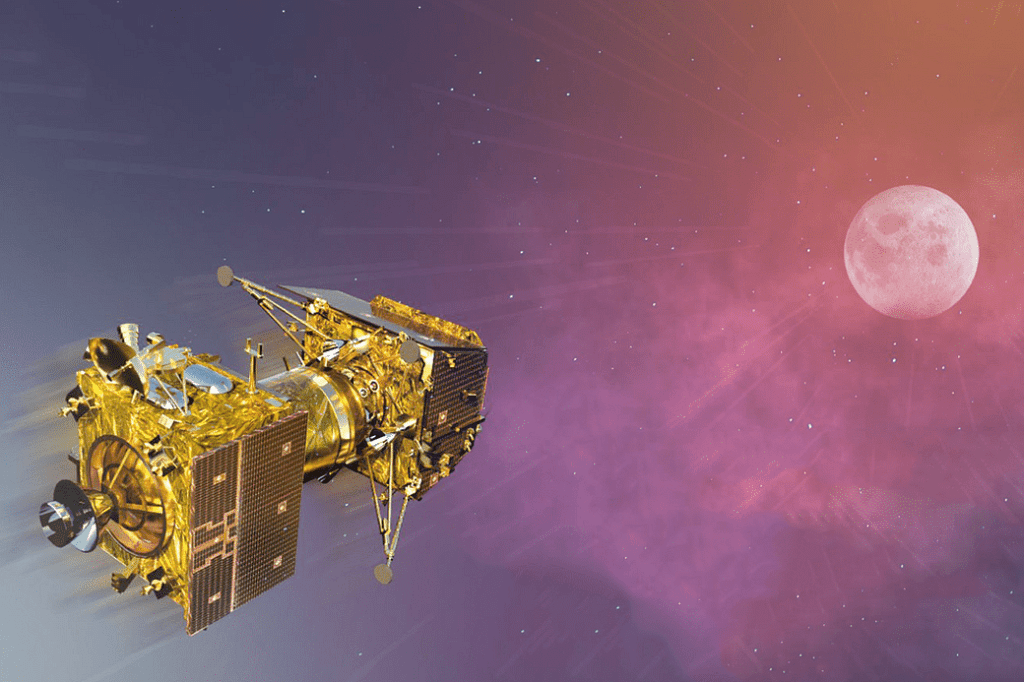
India, the fourth nation to achieve a successful soft lunar landing, is celebrating another milestone in its space journey with the Chandrayaan-3 mission. Building on the successes of Chandrayaan-1 and the scientific achievements of Chandrayaan-2, this third lunar exploration mission by the Indian Space Research Organisation (ISRO) has not only bolstered the country’s position in the global space race but also holds significant economic potential.

The triumph of Chandrayaan-3, landing on the Moon, marks a pivotal moment for India’s economy. With its space sector projected to be worth USD$13 billion by 2025, India’s journey to becoming a major player in the space industry is well underway. This ambitious trajectory is supported by the successes of previous missions and the nation’s growing prowess in space technology.

The Chandrayaan-3 mission is more than just a scientific achievement; it’s a testament to India’s technological advancement. Learning from past experiences, Chandrayaan-3 boasts improvements that enhance its chances of success. Equipped with four engines and advanced attitude control systems, it navigates the lunar surface with precision, setting the stage for more complex and intricate missions in the future.

This achievement has far-reaching economic implications. The space economy is on a meteoric rise globally, with reports indicating exponential growth. India’s involvement in this sector not only inspires citizens to embrace the new space age but also has downstream benefits for various industries. Space-tech start-ups, aerospace, defense, and research and development sectors are set to thrive. The success of Chandrayaan-3 showcases India’s potential as a cost-effective satellite launcher, attracting private investments and further bolstering the country’s economic growth.

Furthermore, the achievement of Chandrayaan-3 resonates beyond national pride. It strengthens the ‘Make in India’ brand, solidifying the country’s position as a hub for satellite systems, telecommunications, and other cutting-edge technologies. As the mission opens doors for allied sectors, it also has a positive impact on the stock markets, enhancing market sentiment and investor confidence.

In the grand scheme of things, Chandrayaan-3’s success is not just about landing on the Moon; it’s about navigating India’s economy to new heights. The mission’s accomplishments symbolize the nation’s perseverance, innovation, and determination. It ignites scientific curiosity among the youth, propels India towards self-reliance, and positions it as a global leader in space research and technology. As India’s space endeavors take center stage, the economic benefits and technological advancements will undoubtedly continue to soar.

Author Details

Dr. Kiran S. Kakade                  (Ph.D., MBA(HR), LL.M., MCA)  Associate Professor (HR),LLIM , Mumbai University. http://www.drkirankakade.com

Chandrayaan 3: 10 Management Lessons for Success and Innovation by Dr Kiran Kakade

Introduction:


The recent successful launch of Chandrayaan 3, India’s ambitious lunar mission, not only marks a significant achievement in space exploration but also offers a treasure trove of management lessons that can be applied to various spheres of life. From embracing failure as a stepping stone to fostering collaborative teamwork, this mission has illuminated essential principles for effective leadership and management. In this article, we delve into the key takeaways from Chandrayaan 3 that can inspire and guide individuals and organizations towards success, innovation, and growth.

Lesson 1: Failure as a Valuable Teacher


The concept of failure takes on a new meaning when viewed through the lens of Chandrayaan 3’s journey. Rather than succumbing to setbacks, the mission highlights the importance of learning from failures. Each experience, even when plans don’t go as anticipated, offers valuable insights and feedback. The accumulated knowledge from past endeavors sets the stage for innovative solutions and sets experienced individuals apart from newcomers.

Lesson 2: Learning from the Past and Embracing Change


Chandrayaan 3 emphasizes the significance of learning from past experiences and adopting a proactive approach. The mission’s strategy involves drawing from both successful and failed attempts to design a more robust project. This approach showcases the value of continuity and adaptability, where a failure-based design anticipates challenges and safeguards success.

Lesson 3: Life Beyond Pass or Fail


Just as life isn’t confined to a binary of success or failure, the mission teaches us to view situations as a continuous spectrum of opportunities. Chandrayaan 3 encourages us to embrace risks, learn from setbacks, and continually improve. By adopting this mindset, individuals and organizations can evolve and thrive in a dynamic environment.

Lesson 4: The Power of Persistence


Chandrayaan 3’s persistence in the face of challenges underscores the importance of unwavering determination. The mission’s journey teaches us that setbacks are stepping stones to success. ISRO’s commitment to forging ahead, even after Chandrayaan 2’s partial failure, exemplifies the tenacity required in project management.

Lesson 5: Leveraging Past Experiences for Continuous Improvement


Learning and adapting from past experiences form the foundation of effective project management. Chandrayaan 3’s success is a testament to how the data and knowledge gained from Chandrayaan 2 played a pivotal role in enhancing the mission’s success rate. This iterative approach ensures that each project builds upon the experiences of its predecessors.

Lesson 6: Anticipating Risks and Preparedness


The seamless execution of Chandrayaan 3’s soft landing on the moon’s south pole highlights the importance of anticipating risks and having contingency plans in place. This practice mirrors the significance of risk management in project management, where understanding potential pitfalls and preparing for them is paramount.

Lesson 7: Timing and Strategic Planning


Chandrayaan 3’s strategic use of the Oberth effect demonstrates how timing and strategic planning can influence outcomes. Similarly, in project management, understanding when to initiate project phases, allocate resources, and make decisions can significantly impact the project’s success.

Lesson 8: Collaboration and Teamwork


Chandrayaan 3’s collaborative effort by scientists and engineers underscores the power of teamwork. Effective communication, open sharing of ideas, and collective problem-solving are essential components of both space missions and corporate endeavors.

Lesson 9: Embracing Curiosity and Exploration


Just as the mission ignites curiosity about the unknown, organizations can benefit from cultivating a culture of curiosity and exploration. Encouraging employees to seek new opportunities, embrace challenges, and venture into unexplored territories fosters innovation and growth.

Lesson 10: Pride, Belonging, and Purpose


Chandrayaan 3’s success has become a source of national pride, symbolizing India’s capabilities. This lesson emphasizes the importance of aligning corporate goals with a greater purpose, fostering a sense of pride and belonging among employees, and inspiring dedication and engagement.

Conclusion:


Chandrayaan 3’s journey is not only a testament to human ingenuity in space exploration but also a source of invaluable management lessons. These lessons, encompassing adaptability, innovation, collaboration, and perseverance, can be seamlessly applied to the corporate world. By embracing these principles, individuals and organizations can navigate challenges, drive innovation, and achieve remarkable feats in their respective industries. Just as the mission expands our understanding of the universe, these management lessons can broaden horizons and propel us towards new frontiers of success and growth.

Journal Name: International Journal of Electronic Security and Digital Forensics (IJESDF)

ISSN online 1751-9128

Research Paper Name: – “A Novel Color Image Encryption Algorithm using S-box Technique ” -By Dr Kiran Kakade

JESDF is indexed in:

More indexes…

DOI: 10.1504/IJESDF.2024.10054099

by Kiran Shrimant Kakade, Swagata Sarkar, Asha S, Sivakumaran C 
Abstract: The combined 3D image suggests that SHA-256 is responsible for seeding the memristive chaotic system with initial values. The suggested picture encryption method uses the encrypted image’s output value to set the algorithm’s parameters. Second, either discrete Arnold map and indeed the quantum chaotic map are used to construct the structure of permutations and gray-level encryption, respectively. A classical chaos sequence modifies the pixel value before it is permuted using the Arnold transform. We use the S-box to introduce non-linearity and diffusion to image files, and then we use the Boolean function XOR to the encrypted picture to provide even more randomness. Additionally, we examine randomness tests such as NIST-R, correlation, and key evaluation. The efficiency of the proposed method is evaluated in relation to many similar existing algorithms. Both theoretical and practical studies support the reliability of our methodology.
Keywords: Chaotic image encryption; cryptanalysis; RNA mutation; 3D Arnold matrix; Logistic Map; S-box; Cryptanalysis.

Journal Name: International Journal of Electronic Security and Digital Forensics (IJESDF)

ISSN online 1751-9128

Research Paper Name: – “Network Intrusion Detection: Systematic Evaluation Using Deep Learning.” -By Dr Kiran Kakade

IJESDF is indexed in:

More indexes

DOI: 10.1504/IJESDF.2024.10054079

Order a copy of this article

by Kiran Shrimant Kakade, Nagalakshmi T.J, Pradeep S, Tapas Bapu B. R 
Abstract: Hackers have always regarded getting information on the health of computer networks to be one of the most significant aspects that they need consider. This may include breaking into databases as well as computer networks that are utilised in defensive systems. As a result, these networks are constantly vulnerable to potentially harmful assaults. This paper provides an assessment technique that is based on a collection of tests, with the goal of measuring the effectiveness of the individual elements of an IDS as well as the influence those components have on the whole system. It evaluates the deep neural network’s potential efficacy as a classification for the many kinds of intrusion assaults that may be carried out. Based on the results of the studies, it seems that the level of accuracy achieved by intrusion detection using deep convolutional neural network is satisfactory.
Keywords: machine-learning; networks intrusion detection systems; and networks.

Journal Name: International Journal of Electronic Security and Digital Forensics (IJESDF)

ISSN online 1751-9128

Research Paper Name: – “An effective digital forensic paradigm for cloud computing criminal investigation.” -By Dr Kiran Kakade

IJESDF is indexed in:

More indexes…

DOI: 10.1504/IJESDF.2024.10052830

Order a copy of this article

by Ravi Kumar, Kiran Shrimant Kakade, PRISCILLA M, Santhosh K 
Abstract: Cloud computing has been adopted by a wide variety of businesses and organisations in order to give services to customers in a secure and certified manner, protecting cloud providers from fraudulent actions. To investigate cloud-based cybercrimes, however, cost-effective forensics and successful implementation is essential. The topic has been the subject of several surveys and reviews thus far from researchers. An iCloud investigative tool taxonomy is presented in this study to find the products that meet their technical needs in a searchable catalogue. The authors of this study developed the taxonomy. The research results demonstrated that the recommended solution may effectively help digital inspectors in their mission to look into cloud-based cybercrimes. This research paper aims to analyse the digital forensics issues raised by the cloud computing paradigm and to offer the appropriate solutions and recommendations. Cloud computing and more conventional types of digital forensics are also given in-depth examination.
Keywords: computer crimes; cloud technology; computer forensics; forensic investigations; forensic software tools; cloud crime; cloud forensics; cloud framework.