The Impact of Peer Pressure on Young Minds: Understanding, Coping, and Empowering Youth

Peer pressure is a powerful force that affects young people in different ways, from mild social influences to more serious situations like criminal or sexual exploitation. While wanting to fit in is a natural human trait, particularly strong during adolescence, the need for acceptance can sometimes lead to risky behaviours. In this blog, we explore the dangers of peer pressure, how it affects young minds, and how we can empower them to make better, independent choices.

Why Peer Pressure Hits Harder in Adolescence

As social beings, we naturally seek connection and approval from others, but this desire is particularly intense for young people. Being part of a group offers a sense of belonging, validation, and emotional support. However, the same need to fit in can push adolescents to make choices that go against their values or comfort. Whether it’s misbehaving in class, experimenting with smoking, or even engaging in harmful online trends, peer pressure can steer young people toward decisions they might not make otherwise.

The Role of Social Media in Amplifying Peer Pressure

In today’s digital age, peer pressure isn’t limited to face-to-face interactions. The online world plays a massive role in shaping young minds. Social media platforms, with their endless scroll of idealized lifestyles and unattainable beauty standards, bombard teenagers with content that can distort their self-image. Teens might feel pressured to skip meals or engage in unhealthy behaviors just to match the influencers they follow. With algorithms serving more of this content, it becomes increasingly difficult for young people to break free from the cycle.

The Fine Line: Positive vs. Negative Peer Pressure

Not all peer pressure is inherently harmful. Sometimes, the push from peers can lead to positive outcomes, such as encouraging better academic performance or trying new hobbies that build confidence. However, when peer pressure drives risky behaviors like substance abuse, bullying, or stealing, the consequences can be severe. Young people, especially those in the throes of identity formation, may struggle to judge right from wrong, making them more susceptible to negative influences.

The Psychological Impact: Peer Pressure and Mental Health

Studies show a clear connection between peer pressure and mental health issues like anxiety, depression, and sleep disturbances in young people. The constant need to fit in, paired with the fear of rejection, can erode a teen’s self-worth and identity. If left unchecked, this can have long-lasting effects, even into adulthood. Adolescents may lose confidence in their ability to make independent decisions, relying instead on the approval of others to shape their sense of self.

How to Empower Young People to Resist Negative Peer Pressure

While it’s impossible to shield young people completely from peer pressure, there are ways to equip them with the tools they need to resist negative influences. Here are some key strategies:

  1. Promote Open Communication
    Encouraging young people to talk about their feelings, concerns, and experiences with trusted adults like parents or teachers is crucial. Honest conversations provide a safe space where they can explore the pressures they face and receive guidance on how to navigate them.
  2. Teach Critical Thinking and Assertiveness
    Empowering young people to think critically about the consequences of their actions can help them make informed decisions. Instilling assertiveness allows them to say “no” when they feel uncomfortable without fearing social rejection.
  3. Encourage Individuality
    One of the most harmful aspects of peer pressure is that it discourages individuality. By celebrating diversity and encouraging young people to pursue their own interests, we can foster an environment where being different is valued, not shunned.
  4. Help Build Healthy Friendships
    Peer pressure often stems from unhealthy friendships. Encourage young people to identify toxic relationships and surround themselves with friends who genuinely care about their well-being. Forming strong, supportive friendships can act as a buffer against negative influences.
  5. Develop Social and Emotional Skills
    Teaching young people emotional regulation and conflict resolution skills is essential in helping them navigate social challenges. When they have the tools to express their limits and handle disagreements positively, they become more resilient to peer pressure.

Schools and Communities: Creating a Supportive Environment

Schools and community organizations play a crucial role in shaping peer dynamics. By fostering a culture of mutual respect and acceptance, educators can create a positive environment where students feel empowered to embrace their individuality. Group activities like joint projects, sports, and peer mentoring programs help build camaraderie and encourage collaboration among young people. These experiences not only strengthen friendships but also give teens the opportunity to learn from one another in a supportive setting.

Conclusion: Fostering Resilience Against Peer Pressure

Peer pressure is a natural part of adolescence, but it doesn’t have to control a young person’s life. By promoting open communication, individuality, and critical thinking, we can empower the next generation to make healthy choices and resist negative influences. As parents, teachers, and community members, our role is to provide the guidance and support they need to navigate this challenging period of life, helping them grow into confident, resilient individuals who trust in their own judgment.

In the end, it’s about balance—embracing the positive aspects of peer influence while safeguarding against the harmful ones. By building a strong support system for our youth, we can help them thrive and make choices that reflect their true selves.

Understanding Mental Models: The Foundation of Our Perception

Our mental models, which form the basis of our perception of reality, intricately shape how we experience life as a whole. These mental models are constructed from assumptions, judgements, and deeply ingrained impressions known as samskaras. They influence how we perceive the world, ultimately determining not only what we observe but also how we interpret and react to our experiences.

What Are Mental Models?

Mental models consist of long-held assumptions formed from personal experiences, social conditioning, and inherited beliefs. As the psychologist Carl Jung aptly noted, people often take mental shortcuts, opting for quick judgements rather than engaging in deep, thoughtful analysis. Just as we lock our front doors for security, we often lock our minds to shield ourselves from new, challenging information. While this “locking” of the mind may feel safe, it often results in closed-mindedness, hindering our ability to perceive reality fully and clearly.

The Construction of Mental Models

Our judgements are coloured by the mental lenses we’ve developed over time. These lenses do not originate consciously; rather, they are the result of a variety of opinions, convictions, and biases gathered from various sources, such as family, friends, teachers, and societal norms. Each of us gathers different pieces of information throughout our lives, leading to unique mental models that define our worldview.

As we grow older, these mental models become so ingrained that we begin to identify with them. This identification makes it difficult to see beyond our established perceptions, even when faced with contradictory evidence. We become attached to our beliefs, viewing them as an integral part of our identity. This attachment can be a barrier to personal growth and understanding, as it prevents us from embracing new ideas and perspectives.

The Importance of Re-examination

True personal growth lies in the constant re-examination of our mental models. This involves understanding the assumptions that underpin them and testing these assumptions against reality. When we rectify our assumptions, our mental models evolve, paving the way for genuine learning and understanding.

Steps to Re-examine Mental Models

  1. Awareness: The first step is to become aware of your mental models. Reflect on your beliefs and assumptions, and consider where they originated. Ask yourself questions like:
    • What experiences have shaped my views?
    • Which societal or cultural influences have impacted my beliefs?
  2. Questioning: Once you’re aware of your mental models, begin to question their validity. Consider the following:
    • Are these assumptions still relevant in today’s context?
    • What evidence supports or contradicts my beliefs?
  3. Openness to Change: Embrace open-mindedness and be willing to update your mental models when life presents new facts or experiences. This may involve letting go of long-held beliefs that no longer serve you.
  4. Engagement with Diverse Perspectives: Engage with people who have different viewpoints. This exposure can challenge your assumptions and provide you with new insights, enhancing your understanding of the world.
  5. Reflection: Regularly reflect on your experiences and how they align with your mental models. This practice helps you stay grounded and adapt to changes in your environment.

The Role of Open-mindedness

Open-mindedness is crucial in this process; it requires a willingness to update our mental models when life presents new facts or experiences. The ability to approach new ideas with curiosity, rather than defensiveness, is essential for personal growth. When we adopt an open mindset, we allow ourselves to explore unfamiliar territories, fostering creativity and innovation in our thinking.

Conclusion

Our mental models play a significant role in shaping our perceptions and experiences. They influence how we interpret information and react to the world around us. By continuously examining and updating our mental models, we can cultivate a deeper understanding of ourselves and the universe. This journey of self-discovery and growth opens the door to new perspectives, enriching our lives and enhancing our ability to connect with others. Embrace the challenge of re-examining your mental models, and you may find that the world offers far more than you ever imagined.

How Your Thoughts Shape Your Life: The Power of Positive Thinking – Dr. Kiran Kakade

Life is a reflection of your thoughts. Every action, every decision you make is a direct result of what you think and believe. Your thoughts are not just fleeting ideas—they are the foundation of the life you build. If you’re not happy with your current situation, the key to change lies in your mind. It is said that your thoughts create your future, and if you want to change your life, you must begin by changing your thoughts.

This is where the Law of Attraction comes into play. It suggests that what you focus on mentally, you attract into your life. If you want to live a different life, you need to think differently. However, simply imagining or wishing for a better life isn’t enough. You need to take it a step further—build powerful thoughts that can replace old, limiting ones. Once you’ve crafted new, empowering thoughts, strategize how you can implement them into your daily life.

Remember, action is crucial. No amount of daydreaming can change your reality without effort. But here’s the beauty of it: if you manage to successfully implement even 10% of your plan, the universe will help you with the rest. As one of the most famous dialogues in Bollywood states: “अगर किसी चीज़ को शिद्दत से चाहो, तो पूरी कायनात तुम्हें उससे मिलाने में लग जाती है,” which means, “If you truly desire something with all your heart, the universe will conspire to help you achieve it.”

However, it’s not just about positive thinking or actions—it’s about the energy and passion you put behind those thoughts. Your feelings are the driving force. If you don’t feel deeply connected to your goals, if the energy behind your positive thoughts isn’t strong enough, then your efforts may fall short.

Some people claim they followed this process but still experienced failure. This could be because their positive thoughts weren’t powerful enough, or their efforts weren’t fully aligned with their desires. Achieving success through the power of positive thinking requires consistency, dedication, and a genuine belief in the outcome.

So, how can you make your positive thoughts more powerful? Here are a few steps:

1. Visualize Your Goals Clearly: Take time to paint a vivid mental picture of what you want to achieve. The clearer your vision, the stronger your attraction.

2. Feel the Success Emotionally: Let the feeling of success sink in. Imagine how you’ll feel when you’ve achieved your goal and let that energy fuel your actions.

3. Take Small but Concrete Actions: Even small steps towards your goal bring you closer to manifesting it. Actions reinforce belief, and belief powers thoughts.

In the end, success is a balance of thoughts, emotions, and actions. When these three align, you create a powerful force that can shape your future.

Source: Dr. Kiran Kakade

4. Stay Consistent: Even if things don’t happen immediately, trust the process. Stay persistent and let your thoughts and actions work in harmony.

Change your thoughts, and you’ll change your life!

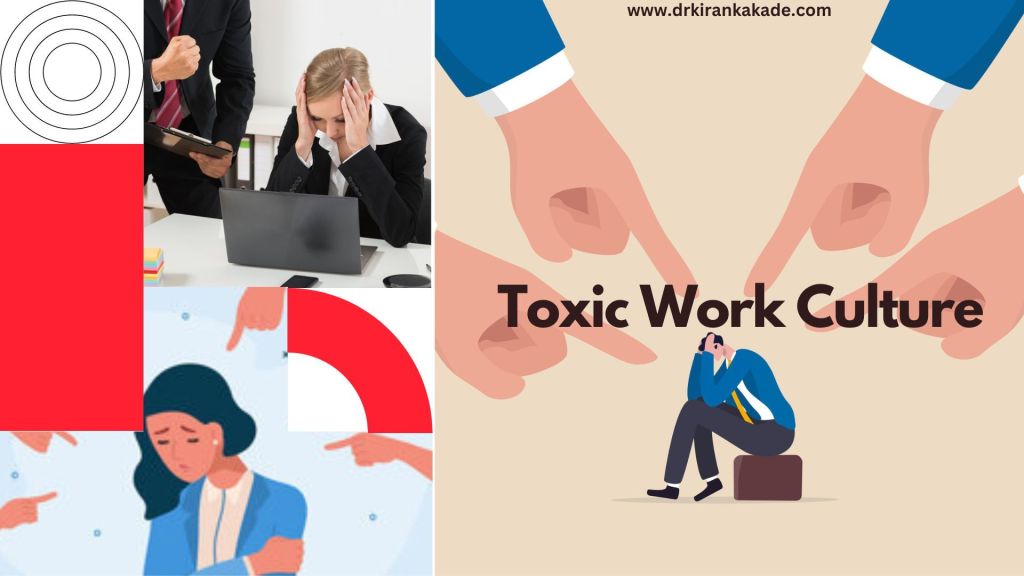
The Root Cause of Toxic Work Culture

The rise of toxic work culture, especially in India, is deeply rooted in how organizations perceive and manage their workforce. In my opinion, the foundation of this issue stems from the vast talent pool and the mindset surrounding employment opportunities, where workers are seen as expendable. Here are some key factors contributing to the issue:

1. Abundant Talent Pool: Exploitation of Workforce

India has a vast and highly competitive job market. The large supply of talent willing to work under stressful and exploitative conditions has led to a normalization of toxic behavior in workplaces. Many companies treat employees as a free commodity, rather than valuable assets. They believe that since there is always a fresh pipeline of talent ready to replace dissatisfied employees, there is no need to address or improve working conditions. This creates a cycle where employees are expected to endure long hours, immense pressure, and poor treatment to “prove” their worth or maintain their jobs.

2. Training as Debt: Workload Justified by ROI

Larger organizations often justify toxic work environments by viewing the training and development of their employees as an investment. These companies demand that employees “repay” the time and resources spent on their development through excessive work. This ROI (Return on Investment) mindset encourages exploitative practices, where employees are expected to sacrifice personal well-being to meet company goals. While training is important, it should not become a debt that burdens employees with unreasonable expectations.

3. Small Businesses: Survival Mode and Client Pressure

Smaller organizations and startups face their own challenges, such as staying afloat in competitive markets. Often, they hide behind statements like “client pressures” to justify overworking their employees. Under the guise of “hustle culture,” these businesses overburden their staff to meet client demands, sacrificing employee well-being. This desperation to survive breeds a culture where long hours and constant pressure are normalized and expected.

4. Mismanagement and Lack of Humility

There is a severe lack of people management skills in many organizations, particularly among mid-level managers. These managers, often focused on meeting targets and deadlines, forget the importance of empathy and humility. Employees are treated as cogs in the machine, with little regard for their mental and physical well-being. The lack of managerial training and support is contributing to the burnout and dissatisfaction that many professionals face. As mentioned, “few managers really need to google the word ‘humility’ and incorporate it into their lives.”

5. Vendorization of Relationships: Agencies and Advisors

In industries where agencies and advisors are involved, they are often treated as vendors rather than valued business partners. This mindset filters down to those working within such relationships, resulting in a significant loss of agency. Employees become mere tools to achieve client goals, leading to further exploitation. This vendor relationship encourages a toxic work culture where the focus is solely on delivering results rather than fostering a healthy and collaborative environment.

6. Overwork is Not Inspirational

There is nothing admirable or motivational about overworking employees to the point of burnout. Toxic managers often push their teams to work beyond reasonable limits, believing that high pressure will lead to better outcomes. In reality, this approach only demoralizes the workforce. Employees subjected to such environments see quitting as not just a career move, but an act of liberation.

7. Emotional Disconnect: Employees as Numbers

In organizations where profit, loss, and compromise are the sole focus, employees are reduced to mere numbers. This emotional disconnect is most evident in tragic events, such as when a company fails to acknowledge the death of an employee or offer support to their family. The cold, transactional nature of such workplaces leaves employees feeling disposable and unvalued, even after years of dedication.

8. Frustration-Driven Toxicity

As companies run out of innovative ideas and ways to differentiate themselves in the marketplace, many resort to toxic cultures out of frustration. Instead of inspiring their teams with new challenges or exciting projects, management often shifts focus towards micromanaging, increasing pressure, and demanding unrealistic results. This mismanagement fuels a negative environment where employees feel trapped and unmotivated.

Conclusion: Choosing Self-Worth Over Toxicity

The bottom line is that no job is worth sacrificing your health and well-being for. Toxic work cultures are pervasive in many Indian organizations, driven by a combination of a large talent pool, poor management, client pressures, and a lack of innovation. Employees must recognize their value beyond the workplace and understand that they are not replaceable commodities. Prioritizing one’s physical and mental health, and leaving toxic environments behind, is not just a necessity but an act of self-liberation. It is far better to live without a job than to endure a stressful life under toxic employers who view you as expendable.

Inner Strength: The Power of Self-Control and Positive Mindset – Dr. Kiran Kakade

In today’s fast-paced, ever-evolving world, mastering the art of self-control has become more essential than ever. Learning to react less is not just about maintaining your composure—it’s about protecting your peace and well-being from external forces that seek to disrupt it. When you control your reactions, you reclaim your power. In doing so, you ensure that no one can manipulate your emotions or your state of mind. This skill isn’t easy, but it is invaluable. The more we learn to control ourselves, the less we feel the need to control others—and this is where true strength lies.

The Strength in Controlling Yourself

Many people spend a lifetime trying to control the behavior of others. They think that strength comes from making others bend to their will. But in reality, the greatest form of power comes from mastering ourselves. Controlling others might bring short-term satisfaction, but it’s an illusion of power. True power resides in the ability to control your thoughts, your actions, and your reactions. This internal mastery provides a strong foundation for living a peaceful, intentional life. When you can navigate your emotions, you become unshakable.

Expect Nothing, Appreciate Everything

One of the key elements of maintaining inner peace is adopting an attitude of gratitude. Expect nothing, and you will find yourself appreciating everything. When you let go of expectations, you free yourself from the constant cycle of disappointment and frustration. Instead, you become more aware of the small, beautiful things in your life—things that many overlook. It could be as simple as a sunny day, a smile from a stranger, or a good cup of coffee. The practice of gratitude transforms your outlook and allows you to find peace and contentment in your present circumstances.

Trust the Process: Hard Work Pays Off

Success in life rarely happens overnight. Often, it is the result of persistent effort, hard work, and trusting the process. Instead of getting lost in the outcome, focus on the work you are putting in every day. The harder you work, the luckier you get. Every step, no matter how small, brings you closer to your goals. When you focus on doing your best and trust that your efforts will bear fruit in time, you build resilience and determination. Remember, the path to success isn’t always smooth, but with persistence, you will get there.

Keep Your Circle Tight: Not Everyone Deserves Your Energy

In a world full of people eager to share their thoughts and opinions, it’s tempting to overshare your goals, dreams, and challenges. But remember this: stop telling people everything. Not everyone has your best interests at heart. Many may not care, and some may even secretly want to see you fail. Protect your dreams, and only share them with those you trust implicitly—those who genuinely support and uplift you. Your energy is precious. Don’t waste it on those who don’t deserve it.

Choose Your Friends Wisely

You are the average of the five people you spend the most time with. If you want to grow, surround yourself with people who inspire you, challenge you, and push you to become a better version of yourself. Choose friends who bring out the best in you, not those who drain your energy or pull you down. The fastest way to elevate yourself is by surrounding yourself with positive influences—people who are better than you in areas you aspire to improve. These relationships will motivate you to rise to new heights.

Conclusion: A Life of Intention and Inner Strength

At the heart of all these principles is one idea: live intentionally. Control yourself, appreciate the little things, trust the process, protect your energy, and choose your circle wisely. These practices will help you cultivate a life of inner strength and peace. By focusing on what you can control—your reactions, your efforts, and your environment—you ensure that you remain grounded, unshaken, and in command of your life. Start today, and watch how these small shifts in mindset transform your world for the better.

Mastering Personal and Professional Development: A Comprehensive Guide

Setting clear goals and coordinating your daily activities is critical for personal and professional success. This blog will lead you through critical tactics for staying focused, managing your time effectively, and cultivating the ideal relationships to assist your growth path.

1. Set your vision and KPIs.

Your Key Performance Indicators (KPIs) are measurable outcomes that support your vision. To successfully set these KPIs, use the SMART objectives framework:

Specific: What exactly do you hope to achieve?

Measurable: How will you monitor progress?

Achievable: Given your current resources, is this aim realistic?

Relevant: Does this fit with your overall life or business goals?

Time-bound: Set a specific deadline for completing your goal.

Break down your KPIs by asking yourself, “What goal am I aiming to achieve?” Once you have clarity, it will be easy to track progress and keep on track with your vision.

2. Audit your time.

The Pareto Principle (also known as the 80/20 rule) states that 20% of your activities will produce 80% of your results. Identifying and focussing on these high-value activities might help you maintain productivity.

The Time Blocking Method can help you become even more organised. Set up particular time intervals in your day for things that are crucial to your KPIs.

Conduct a Weekly Time Audit by reviewing how you spent your time at the conclusion of each week. Consider the following question: “Did my time allocation align with my key objectives?” If it didn’t, make changes for the next week.

3. Create your personal board of advisors.

Success rarely occurs in isolation. According to Dunbar’s Number, we are most effective when we cultivate a small set of important relationships. Concentrate on developing a small network of trustworthy advisors who provide actual value and boost your trip.

Conduct a SWOT Analysis for your relationships:

Strengths: Who helps and encourages you?

Weaknesses: Who is draining your energy?

Opportunities: Are there any fresh and helpful relationships to make?

Threats: Who could have a negative impact on your progress?

By analysing your connections, you may concentrate on people that offer value to your life while spending less time with negative influences.

4. Make decisions like a boss.

Decision-making is a talent that can significantly impact your productivity and personal life. The 10-10-10 Rule can help you make better judgements by taking into account how you will feel in 10 minutes, 10 months, and 10 years’ time.

The RACI Framework can help you make more structured decisions:

Responsible: Who is carrying out the task?

Accountable: Who makes the final decision?

Consulted: Who supplies input?

Informed: Who requires regular updates?

Clarifying roles and responsibilities streamlines the decision-making process, reducing delays and uncertainty.

5. Fire bad clients and toxic people.

Letting go of toxic relationships might be difficult, but it is necessary for your well-being. Use a Cost-Benefit Analysis to assess the emotional, financial, and time costs of continuing toxic relationships against the benefits of ending them.

Apply the Red-Yellow-Green System in your relationships:

Green: People who are supportive and upbeat.

Yellow: Neutral, or occasionally draining.

Red indicates toxic, dangerous interactions.

By categorising your connections, you can make more informed judgements about where to devote your time and energy.

6. Invest on yourself.

Personal development demands ongoing investment. Create a Personal Development Plan (PDP) by outlining the abilities you want to improve, the resources you’ll need, and the timeframes for meeting your learning objectives.

Use the continuous learning loop:

Learn: Establish a daily or weekly learning goal.

Apply what you’ve learnt in real life.

Reflect: Evaluate what worked and what did not.

Adjust: Make changes to your learning plan based on feedback.

This strategy ensures that your personal development is continuous and in line with your goals.

Conclusion

Mastering your personal and professional lives requires being strategic with your time, relationships, and decisions. You may achieve long-term success in all aspects of your life by establishing clear KPIs, doing time audits, putting in place the correct support structure, and always learning. Remember that working hard isn’t enough; you also need to work smart.

Source: https://nocnikis.com

Strategic Talent Management: A Holistic Approach to Business Success – Dr. Kiran Kakade

In today’s quickly changing business climate, organisations must have a strong talent strategy that is aligned with their overall goals. The cornerstone of success is frequently found in discovering, cultivating, and deploying people in ways that promote innovation, engagement, and productivity. This blog looks into key strategies that organisations should implement in their strategic talent plans to remain competitive and future-ready.

Talent Strategy: Creating A Future-Ready Workforce

Identifying Capabilities and closing Gaps.

A well-rounded talent strategy begins with defining the core talents needed to achieve company objectives. Once talent gaps are identified, it is critical to solve them using the 6Bs framework: Buy, Build, Borrow, Bind, Bounce, and Boost. This framework provides a structured strategy for organisations seeking to obtain vital talent and fix current shortages.

Compensation: Increasing Competitive Advantage

Define a Sustainable Compensation Strategy
A competitive, sustainable, and compliant remuneration approach is critical to talent retention and attraction. Organisations can attract top talent for crucial roles by aligning their wage structures with market standards and guaranteeing fairness. Compensation should also reflect observable employee performance, fostering an environment in which top performers are recognised and rewarded.

Performance Management: Establishing Clear Expectations

Goal-Setting and Evaluation
A strong performance management system determines the direction of annual employee reviews. Setting specific performance and developmental goals helps people achieve achievement and managers provide structured feedback. A standard technique for job descriptions and evaluations promotes clarity throughout the organisation and supports reliable evaluation cycles.

Learning and Development: Promoting Growth.

Learning is aligned with business needs.
Employee knowledge and skills must change in tandem with the changing business environment. Defining learning criteria based on organisational goals is critical for developing programs that promote employee progress. These programs should aim to close skill gaps, improve employee knowledge, and prepare them for future problems.

HR strategy: A holistic approach to talent management.

Assessing Business Trends and Defining HR Objectives
An effective HR strategy must be closely related to both external and internal company trends. Understanding market dynamics and internal constraints allows HR directors to establish strategies that steer the organization’s efforts, objectives, and goals. From talent acquisition to remuneration, the HR strategy is the foundation for connecting personnel planning with business objectives.

Key Interactions among Talent Programs

The talent approach does not work in a vacuum. It connects with a variety of programs that help the organisation function more effectively. Some significant interactions include:

Recruiting and Compensation: Aligning recruiting efforts with wage structures to attract the best candidates.

Talent Strategy and Learning: Combining performance management with talent strategy to identify high-potential personnel for advancement.

HR and Organisational Design: Aligning HR strategy with organisational structure to ensure clear role definition and responsibility.

Performance and Leadership Development: Integrating leadership development with performance management to improve management excellence.

Organisational Design: Clarity and Accountability.

A well-designed organisational structure promotes collaboration and effectiveness across corporate functions and levels. Organisations establish an atmosphere in which accountability is explicit and responsibilities are fairly and competitively rewarded by defining competencies, tasks, and roles. To achieve a comprehensive approach to workforce management, organisational design must be integrated with pay and talent initiatives.

Workforce planning: anticipating future needs.

Workforce planning include identifying internal talent resources and forecasting future manpower requirements based on business objectives and market conditions. This planning should be coordinated with talent management initiatives to close gaps and ensure the organisation is prepared to face future challenges. Integrating workforce planning and performance management also aids in the creation of staff development plans to suit changing needs.

Leadership and Career Development: Preparing Future Leaders

Developing Leadership Excellence.
Organisations must constantly assess their leadership development needs and either choose external programs or establish internal ones to drive management excellence. This ensures that leadership development is consistent with talent initiatives, preparing people for future leadership roles that support business objectives.

Career Mobility and Succession Planning
Career development is an important component of workforce planning. Organisations offer employees possibilities for upward mobility and long-term professional progression by creating distinct career paths and lattices. This career development strategy should be closely linked to performance management, ensuring that job advancement is consistent with corporate priorities and individual aspirations.

Conclusion: Integrating Strategy for Sustainable Success

A successful talent strategy combines several programs—compensation, performance management, learning and development, HR strategy, organisational design, workforce planning, leadership, and career development—to produce a cohesive framework. By bringing these factors together, organisations may solve talent gaps, recruit top people, and prepare their workforce for future difficulties. Finally, a strategic approach to people management is critical for organisations seeking to succeed in a competitive and dynamic global market.

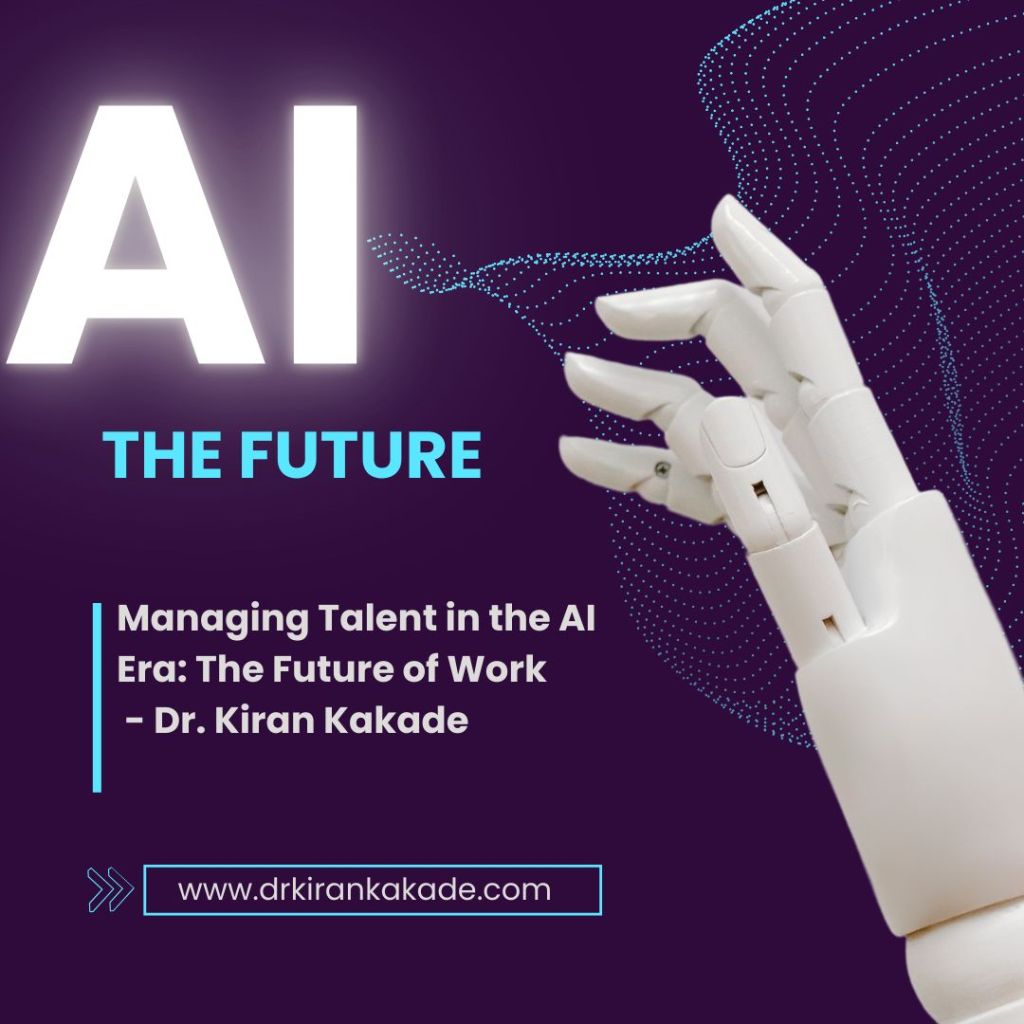
Managing Talent in the AI Era: The Future of Work by Dr. Kiran Kakade

Talent management is ready for a radical shift as artificial intelligence (AI) continues to alter sectors. Leaders, HR specialists, and executives need to reconsider conventional methods of managing their workforces in order to stay up with the rapidly evolving effects of AI. AI is a game-changer in today’s business environment, changing not just the efficiency of tasks but also the nature of jobs and people management.

This blog delves deeply into three crucial changes that are necessary for personnel management to be AI-ready in the future.

Redefining Employment: A set of Competencies and Duties rather than designations

In the past, job titles and responsibilities have been used by organisations to define positions. But as AI develops, a new way of looking at professions is necessary, one that sees them as a set of duties and abilities rather than fixed labels. For businesses to stay competitive in an AI-driven environment, this change is essential.

Businesses can quickly ascertain which aspects of a career are susceptible to automation by concentrating on the essential duties that comprise each position. AI, for example, may be able to automate monotonous jobs, but it cannot take the place of essential human abilities like creativity, teamwork, and problem-solving. Forward-thinking companies will prioritise upskilling workers to tackle more complicated activities rather than eliminating employment in order to maintain workforce relevance over time.

Unilever’s U-Work model is a noteworthy illustration of this, when workers transition between projects according to their skill sets rather than assigned job titles. Employees are encouraged to take on a wider variety of responsibilities as a result of this flexibility, which creates an internal talent market that can adjust to changing business needs.

With this approach to talent management, firms can maintain their agility and foster an atmosphere that will enable both individuals and enterprises to prosper in the AI era.

Placing Education and Training at the Centre of Talent Management

The abilities needed to complete even the most routine activities are evolving along with AI. Data from LinkedIn indicates that within the past eight years, the skills required for occupations have changed by 25%; by 2030, this percentage is expected to increase to 65%.

Companies can no longer rely on stagnant skill sets due to this fast change. They should instead place a higher priority on lifelong learning and skill improvement. It is no longer possible to follow the old model of getting a degree or certification and coasting through a career. AI requires constant reskilling of people in order to stay up to date.

Proactive businesses such as IBM have already addressed this by putting in place comprehensive apprenticeship programs that blend classroom instruction with on-the-job training. Through the effective reskilling of workers in vital positions like cybersecurity and data science, IBM’s apprenticeship program has ensured that the labour force remains competitive in a fast evolving environment.

It is imperative for organisations to cultivate a learning culture that facilitates the advancement of both hard and soft skills. AI can help with this by providing individualised learning pathways, which will improve the effectiveness and efficiency of worker training. AI-powered coaching tools that suggest specialised content based on employees’ responsibilities, career aspirations, and skill sets are already being used by platforms like LinkedIn Learning.

This move towards ongoing education makes sure that workers are flexible, quick-witted, and prepared to take on the new tasks brought about by artificial intelligence.

Adopting AI to Put Human-to-Human Cooperation First

With AI’s ability to automate time-consuming and repetitive processes, employees will have more time to concentrate on strategic thinking and human-to-human relationships, which are what really important. This has significant ramifications for jobs requiring interpersonal skills and trust-building, such as sales, hiring, and customer service.

AI, for instance, may now be used by recruiters to sort through applications and find applicants with the most relevant talents, freeing up more time for them to interact with candidates and build relationships. In a similar vein, customer support teams can use AI to address everyday questions while focussing more on intricate, human-only instances that require empathy.

In this sense, artificial intelligence (AI) not only increases output but also emphasises how vital human-centered abilities like empathy, creativity, and communication are. Strong interpersonal and leadership skills will still be necessary for a well-rounded workforce; in a world where artificial intelligence (AI) manages many daily chores, these abilities will be more important than ever.

What’s at stake for talent management in the future

Although AI represents a significant change, the workforce has already experienced other technological revolutions. AI will bring with it both new opportunities and problems, similar to how the internet changed work in the 1990s. Businesses will be in a better position to harness innovation, spur growth, and build a more dynamic, equitable future for their workforce if they adopt AI-driven talent management techniques.

Businesses that prioritise human-to-human cooperation, ongoing learning, and reskilling will unleash previously unheard-of potential and guarantee that their workforce is robust, flexible, and prepared for the future.

Conclusion

The success of companies in the AI-driven future will largely depend on how well they manage talent. Organisations may leverage artificial intelligence (AI) to enhance human interactions, redefine roles, and boost productivity by utilising AI to boost workforce engagement. Leaders who adopt these changes now will influence how work is done in the future and provide doors for growth and innovation that will help both firms and people.

Beware of Predatory Journals: How to Spot and Avoid Deceptive Publications by Dr Kiran kakade

Publishing your research is a crucial step in academic and professional growth, but the rise of predatory journals poses significant risks to researchers worldwide. Predatory journals are deceitful publications that exploit authors by charging fees without providing legitimate editorial and publishing services. They often lure researchers with promises of quick publication, only to compromise the quality and credibility of their work. Here are some key indicators to help you identify and avoid these journals:

1. Fast Publication Promise

Predatory journals often promise quick publication timelines, sometimes within 1 to 2 months, which is typically unrealistic for reputable journals. Genuine academic journals have a rigorous peer-review process that ensures the quality and validity of research, often taking several months to years. If a journal guarantees an unusually fast publication, it’s a red flag.

2. Fake or Misleading Websites

One of the most common tactics predatory journals use is creating poorly designed websites that mimic those of reputable publications. Look out for spelling errors, inconsistent formatting, or vague information about the editorial board. A credible journal will provide clear details about its editorial team, review process, and contact information.

3. Similar Look to Established Journals

Predatory journals may use names, logos, or designs that closely resemble those of well-known, reputable journals. This tactic is intended to deceive authors who may mistake these journals for legitimate ones. Always double-check the journal’s authenticity and verify its reputation through independent sources before submitting your work.

4. Questionable Conferences and Agents

Avoid submitting papers to agents or conferences that are not organized by reputable or well-known brands. Some predatory journals partner with dubious conferences to promote their services. Research the history and credibility of the conference and its publications. Be wary of any conference that guarantees publication in an unfamiliar or suspect journal.

For a comprehensive list of known predatory journals, you can visit this resource.

How to Ensure Your Work Is Published Credibly

Publishing in reputable Scopus-indexed journals typically takes 1 to 2 years due to the rigorous peer-review process. To achieve your research goals and ensure your work is published in credible outlets, it’s crucial to develop a clear research strategy:

  1. Set Clear Research Goals: Outline your research objectives and plan your publications accordingly. A well-defined strategy will guide your choice of journals and help you avoid the temptation of predatory publishers.
  2. Join Research Groups: Collaborating with experienced researchers can enhance your knowledge, refine your skills, and strengthen your research output. Joining research groups or collaborating with experienced researchers can also help you identify reputable journals and avoid predatory traps.

Final Thoughts

The academic publishing landscape can be challenging, but by staying vigilant and doing thorough research, you can safeguard your work from predatory journals. Prioritize credibility and quality over convenience, and ensure your hard work is recognized by reputable publications.

Remember, your research deserves to be published in a platform that upholds the highest standards of academic integrity.