
Source:- https://www.japantimes.co.jp
Introduction
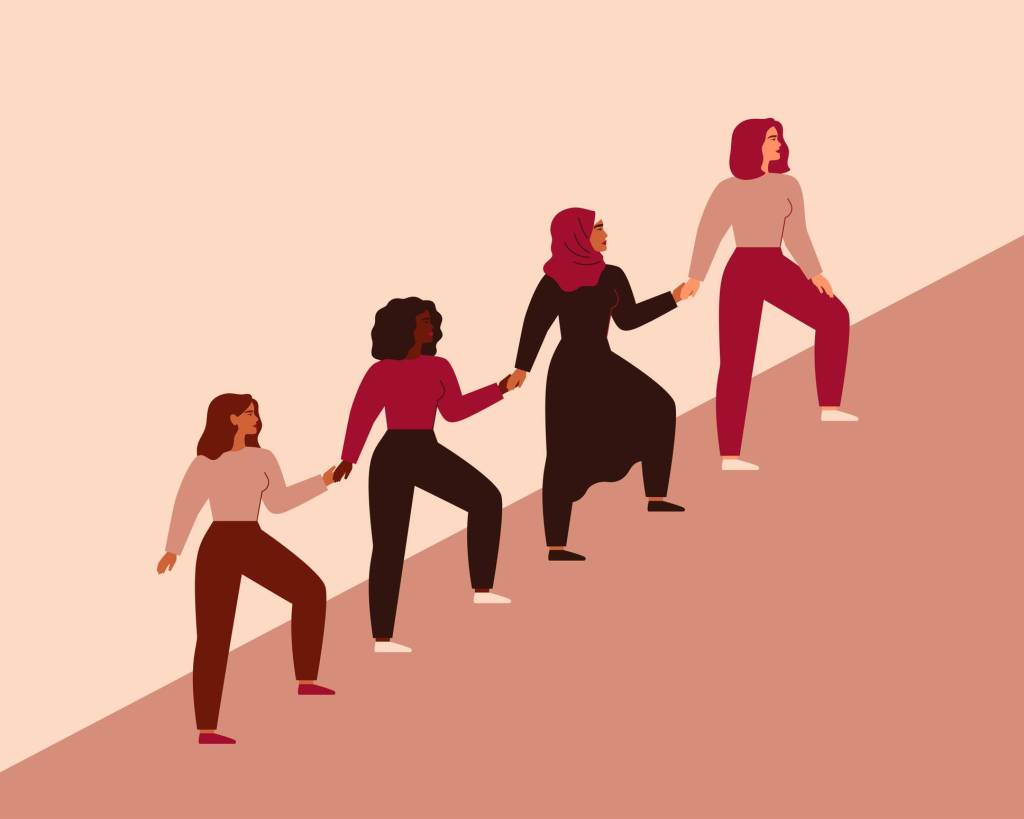
In recent years, the world has witnessed a paradigm shift in the way we perceive and pursue development. No longer is development solely measured by economic growth; instead, there is a growing recognition of the importance of inclusive growth that benefits all members of society. Women-led development has emerged as a powerful catalyst for achieving this inclusive growth and driving progress towards the Sustainable Development Goals (SDGs). In this blog, we will explore the vital role of women in development, focusing on empowerment and representation as key drivers of socio-economic advancement.
The Significance of Inclusive Growth
Inclusive growth refers to economic growth that benefits all segments of society, including marginalized and vulnerable groups. It recognizes that development should not leave anyone behind. Achieving inclusive growth is not only a matter of fairness and social justice but also a prerequisite for sustainable development.
Empowering Women: A Cornerstone of Inclusive Growth
- Economic Empowerment: Women’s participation in the workforce is not just a matter of gender equality; it is an economic imperative. When women have equal access to economic opportunities, they contribute significantly to GDP growth. A study by McKinsey & Company found that advancing gender equality in the workplace could add $12 trillion to global GDP by 2025.
- Education and Skills Development: Education is a key driver of empowerment. When women and girls have access to quality education and skill-building opportunities, they are better equipped to participate in the workforce, make informed decisions, and contribute to their communities.
- Financial Inclusion: Access to financial services is critical for women’s economic empowerment. It enables them to save, invest, and access credit, leading to increased entrepreneurship and economic resilience.
Women’s Representation: Shaping Inclusive Policies
- Political Representation: Women’s representation in political decision-making is vital for shaping policies that prioritize inclusivity and gender equity. Countries with higher levels of women in government tend to implement policies that address pressing social issues.
- Leadership Roles: Encouraging women to take up leadership roles in various sectors, including business, academia, and civil society, promotes diverse perspectives and innovative solutions to complex challenges.
The Role of Women in Achieving SDGs
Women-led development is closely aligned with the United Nations’ Sustainable Development Goals (SDGs). Here are some examples of how women’s empowerment and representation contribute to the achievement of these goals:
- SDG 1: No Poverty – Economic empowerment of women reduces poverty and improves the well-being of families.
- SDG 3: Good Health and Well-being – Women’s access to healthcare services and information positively impacts family health.
- SDG 5: Gender Equality – Women’s empowerment is both a goal and a means to achieve gender equality.
- SDG 8: Decent Work and Economic Growth – Women’s participation in the labor force drives economic growth and job creation.
- SDG 10: Reduced Inequalities – Women’s empowerment helps reduce inequalities within societies.
Conclusion
Women-led development is not just a concept; it’s a pathway to a more equitable, prosperous, and sustainable future for all. By empowering women economically, providing access to education and financial services, and promoting their representation in decision-making processes, we can accelerate progress toward achieving the SDGs and create a world where inclusive growth is the norm. It’s time to recognize that the full and equal participation of women is not only a matter of rights but also a fundamental driver of human progress.
 Dr. Kiran Kakade (Ph.D.,LL.M.,MCA,MBA(HR))