

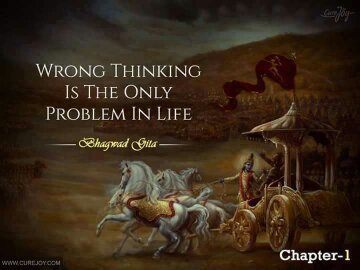
Source : https://www.quora.com/
Introduction:
The Bhagavad Gita, a revered ancient scripture, is often seen as a spiritual guide. However, its teachings extend far beyond the realm of spirituality and offer profound insights into the world of modern business and management. In Chapter 1 of the Bhagavad Gita, we find a narrative that sets the stage for the epic battle of Kurukshetra, and within this narrative, there are valuable lessons that can be applied to contemporary management practices.
Leadership and Decision-Making:
Arjuna, the skilled warrior and leader, stands at the crossroads of a moral dilemma. He is faced with the monumental task of leading his army into battle against his own relatives. This conflict mirrors the challenges that leaders in the business world often encounter when making tough decisions. Arjuna’s predicament teaches us that:
- Balancing Values and Outcomes: Leaders must balance personal values and ethics with the greater good of the organization. The decisions they make can have a profound impact on their teams and stakeholders.
Emotional Intelligence:
Arjuna’s emotional state takes center stage in this chapter. He grapples with inner turmoil, compassion for his foes who were once friends, and a moral crisis. In today’s management landscape, emotional intelligence is highly regarded. Arjuna’s journey demonstrates:
- The Importance of Emotional Awareness: Effective leaders must be in touch with their own emotions and the emotions of their team members. This emotional awareness allows for empathetic and well-informed decision-making.
Ethical Decision-Making:
Arjuna’s reluctance to engage in the battle against his own kin raises important questions about ethics and values in leadership and business. This chapter highlights:
- The Need for Ethical Reflection: In the business world, ethical decision-making is paramount. Leaders must weigh the ethical implications of their actions and consider the impact on various stakeholders, including employees, customers, and the community.
Seeking Guidance and Mentorship:
Arjuna turns to Shri Krishna, his charioteer and guide, for support during his moment of crisis. This underscores the significance of seeking advice and mentorship in the business world. The lessons here are:
- The Value of Mentorship: Effective leaders often seek guidance from mentors, coaches, or experienced peers when facing challenging situations. Collaborative decision-making and mentorship can lead to better outcomes and personal growth.
Strategic Planning:
Arjuna’s tactical move of positioning his chariot between the two armies reflects a strategic decision to assess the battlefield. This demonstrates the importance of strategic planning in business:
- Strategic Decision-Making: In the modern business world, leaders must strategically position their organizations to assess the competitive landscape and make informed decisions that align with their goals and values.
Conclusion:
Chapter 1 of the Bhagavad Gita may primarily focus on Arjuna’s inner turmoil on the battlefield, but it offers profound lessons that resonate with contemporary management and leadership challenges. As we navigate the complexities of the business world, we can draw inspiration from Arjuna’s journey to become more effective and ethical leaders, fostering emotional intelligence, and engaging in strategic decision-making that benefits both our organizations and society as a whole. The teachings of the Bhagavad Gita continue to be a source of timeless wisdom for leaders in the modern world.

 Dr. Kiran Kakade (Ph.D.,LL.M.,MCA,MBA(HR))